Canada’s health care system is built on the principle of universal access, yet many newcomer families encounter barriers that prevent them from receiving equitable maternal care. There are extra hurdles, big and small, that can make pregnancy, birth, and postpartum recovery harder than they need to be. And while these barriers may not always be obvious to the general public, they have a profound impact on maternal and infant health.
The solution lies in newcomer-responsive care, an approach that considers the practical, linguistic and social realities of each immigrant patient, ensuring that no mother or child is left behind.
The problem: Barriers that create gaps in care
While Canada prides itself on diversity, the maternal health care system often struggles to meet the specific needs of newcomer families. From the outside, it’s easy to assume that once you have a health card, you have everything you need, but for immigrant families, the reality is quite different.
Four common barriers stand out:
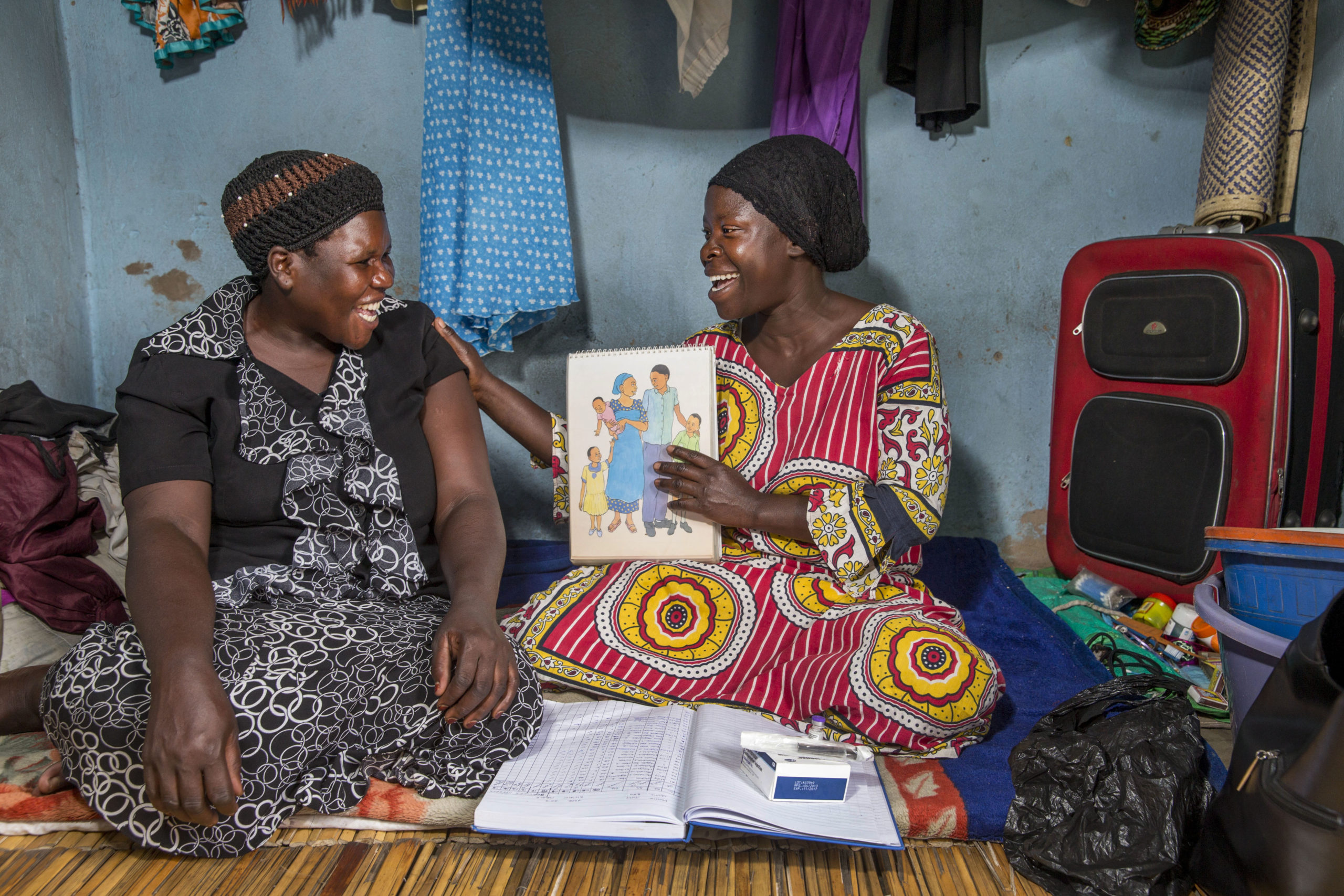
Medical terms are hard enough to understand in a patient’s first language. In a second or third, they can feel impossible and intimidating. Without clear and accessible communication, it’s easy for important details to get lost, leading to misunderstanding and confusion about care plans or instructions.
Some families lack awareness of available prenatal and postnatal services such as prenatal classes, lactation consultants, or postpartum supports. Some families aren’t informed that they are often free. Without this knowledge, they miss out on resources that could make pregnancy and recovery easier.
A lack of access to child care or transportation to a clinic, as well as appointments scheduled during work hours, can make it difficult, or even impossible, to attend regular checkups/appointments.
Racialized and marginalized populations remain underrepresented in health-care leadership across Canada. This can make it harder for patients to feel understood or trust that their cultural values will be respected.
When barriers become risks
These obstacles don’t just make things inconvenient, they can affect health outcomes for both the mother and baby. If a mother misses appointments or can’t clearly communicate her symptoms or concerns, important warning signs might be missed. If she feels uncomfortable or misunderstood, she might delay seeking care until things are urgent.
The result?
Pregnancy and postpartum recovery are already sensitive times. When layers of uncertainty, social disconnect and practical barriers are added in, conditions emerge that can harm both mother and child. Without targeted solutions, these issues can directly impact both maternal and infant health outcomes.
How newcomer-responsive maternal care addresses these barriers
Newcomer-responsive maternal care is maternal health care that actively adapts to the unique language, access and support needs of people new to Canada. This ensures they can navigate pregnancy, birth, and postpartum care confidently and without unnecessary barriers.
It is about designing health-care systems and services with immigrant realities in mind, so that every mother, no matter her background, can access care that meets her needs:
When we address these four barriers through newcomer-responsive maternal care, we don’t just improve communication or convenience, we improve health outcomes. Mothers are more likely to attend appointments, ask questions, follow care plans and make informed decisions about their health.
As a result, healthier pregnancies and births are realized by more parents. Babies are more likely to be born healthy and receive early checkups. Families feel seen, respected and included in Canada’s health care system from the very beginning.
A healthy start for all
Every child deserves a healthy start, and every mother deserves care that feels safe and respectful. That means meeting families where they are, culturally, linguistically, and practically.
By making maternal care newcomer-responsive, we’re not just improving individual outcomes. We’re strengthening communities, building trust in our health-care system, and living up to Canada’s promise of inclusion and equity.
Healthy starts matter. Let’s make sure newcomer families get them.
Meet the author:
Diksha Mehta is a grade 11 student from Airdrie, Alberta! She’s endlessly curious, deeply community-driven, and passionate about creating spaces where youth feel heard and empowered. As a first-generation Canadian, she is also deeply committed to advocating for immigrants and other marginalized communities, drawing on her own lived experience to amplify their voices, foster inclusion, and promote equity. At heart, she believes in showing up, speaking out and making a difference wherever we can!
In her free time, she is also the girl who rewatches Legally Blonde for motivation, experiments with baking (with mixed results), and never says no to a spontaneous shopping trip!
Connect with Diksha on LinkedIn.
Published:
September 15, 2025
Author:
Diksha Mehta
Categories:
SHARE THIS POST: