It is a joy — and a privilege — to attend global convenings. It is also a responsibility. To be in the room, to engage, and to contribute to conversations shaping our collective future.
As two gender consultants who attended Women Deliver 2026 (WD2026) in Narrm (Melbourne), Australia, we’ve reflected on this experience, and keep returning to one question: what has actually changed for the better?
We also had the opportunity to connect in person as long-time members of CanWaCH’s Gender Equality Working Group and participate in a pre-conference roundtable with leaders from Canada and beyond.
Here are five takeaways and reflections from our week at the conference:
In many ways, the same conversations from three years ago are still happening today. The language may shift, but the core challenges remain. There is still a disconnect between those doing the work and those making decisions about funding and priorities. Too often, the people closest to communities are not shaping the strategies that affect them.
So we ask: who holds influence in these spaces, and who remains excluded from decision-making?
We were energized by the people we met. Thoughtful, committed and deeply engaged. Yet, many sessions felt heavy. The themes were consistent, but often repetitive. It left us wondering: how do we collectively move from conversation to real change?
Questions around funding stayed with us. Who is included in these conversations? Who has access to these spaces? At a time of constrained resources, these questions matter even more. Many grassroots leaders, changemakers and organizations doing critical work may not have the means to attend convenings like this.
If we are serious about equity, we must rethink not just funding levels, but who influences how those resources are allocated.
This shift also requires looking inward. How are our own systems and partnerships reinforcing inequities?
Decolonization must go beyond rhetoric. It asks us to examine power — whose voices are prioritized, and whether our partnerships truly serve the communities we aim to support. This goes beyond improving existing systems. It raises a harder question: are these systems capable of delivering the change we are asking of them?
As Black feminist Audre Lorde reminds us, “the master’s tools will never dismantle the master’s house.” This remains relevant when our systems of funding and partnership continue to reproduce the same power dynamics we seek to change. It is not just what we do, but how we do it that matters.
One message remained clear: the global economy continues to rely on women’s unpaid labour, especially among those already facing multiple forms of marginalization.
There is a real fatigue in this work. Much of its burden falls on those working on the ground, often without adequate support. Globally, the people sustaining movements for well-being and equity are carrying systems that are slow to change, and in some cases, actively maintain the status quo.
The question is not whether we continue the conversation, but whether we are willing to shift power in meaningful ways. What would it take to move beyond dialogue and toward decisions that reflect the realities of those most affected?
We know change is needed. So we must ask:
The change many of us are seeking requires more than incremental progress. It requires shifting how decisions are made, how power is held (and who holds it), how resources are distributed, and a new way of leading. So we are left with this:
What would it look like to truly build a more equitable future? And what is our role, individually and collectively, in making that a reality?
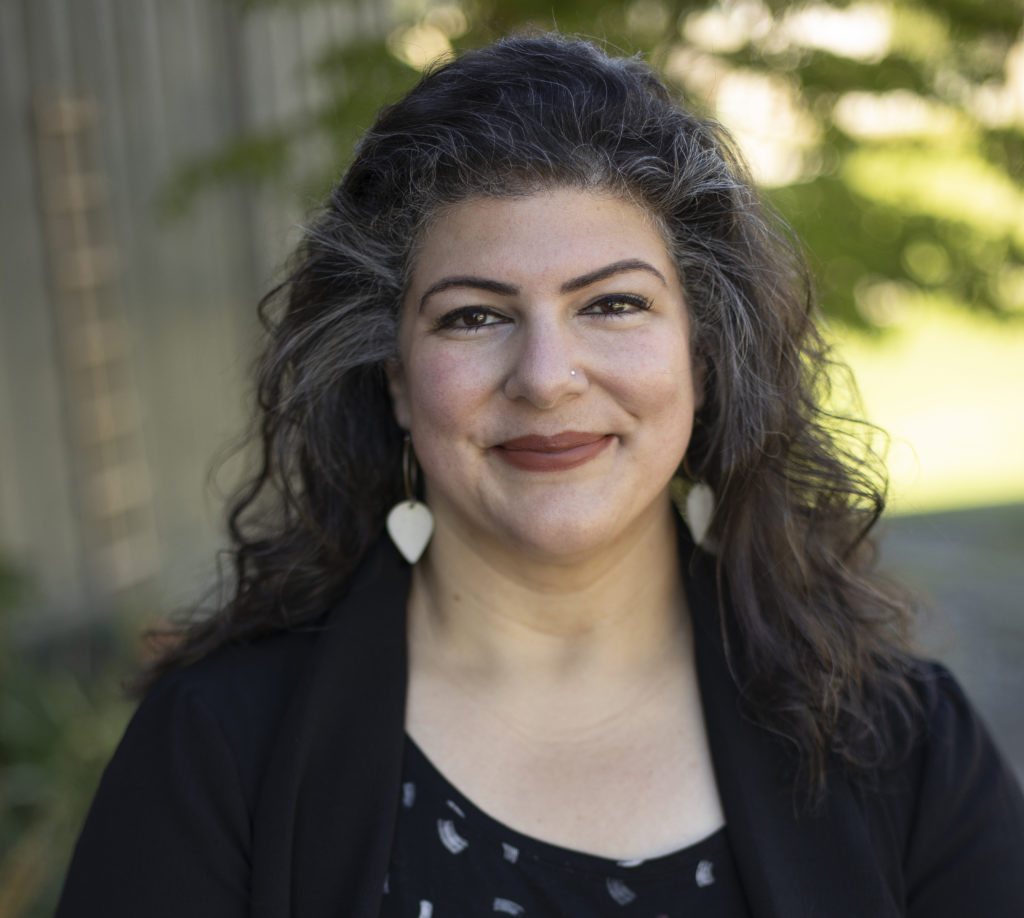
Connect with Alex and view more WD2026 reflections on LinkedIn.
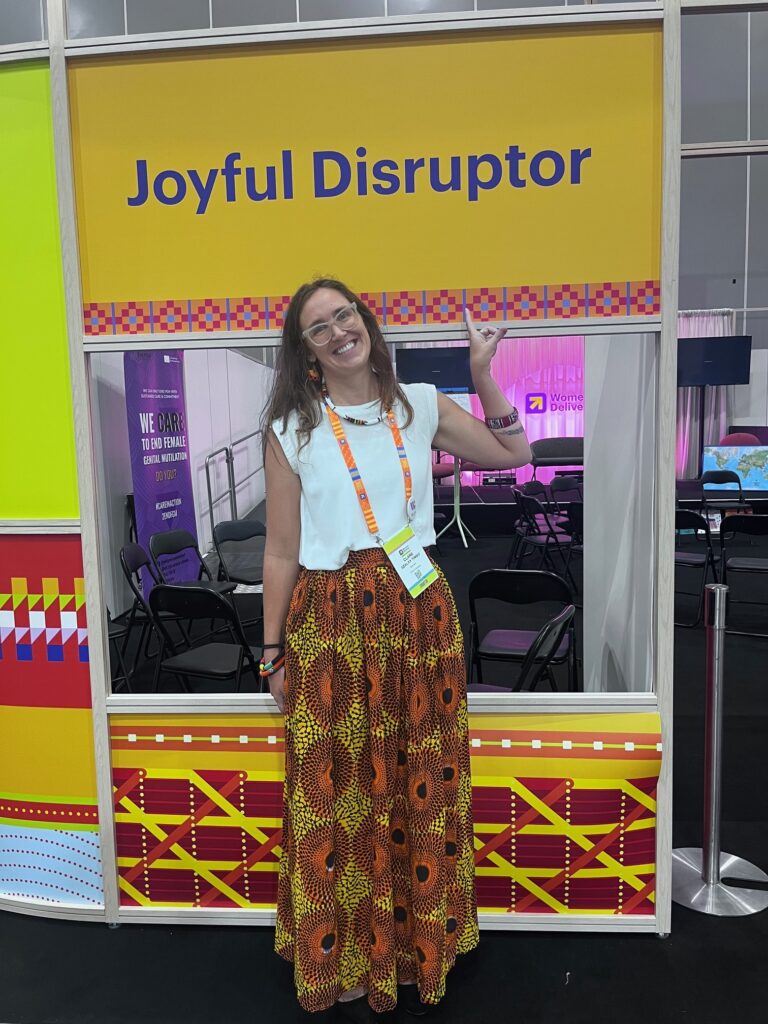
Connect with Clare on LinkedIn.
Published:
May 27, 2026
Author:
By Alex Valoroso and Clare Szalay Timbo, Members of the CanWaCH Gender Equality Working Group
Categories:
SHARE THIS POST: