


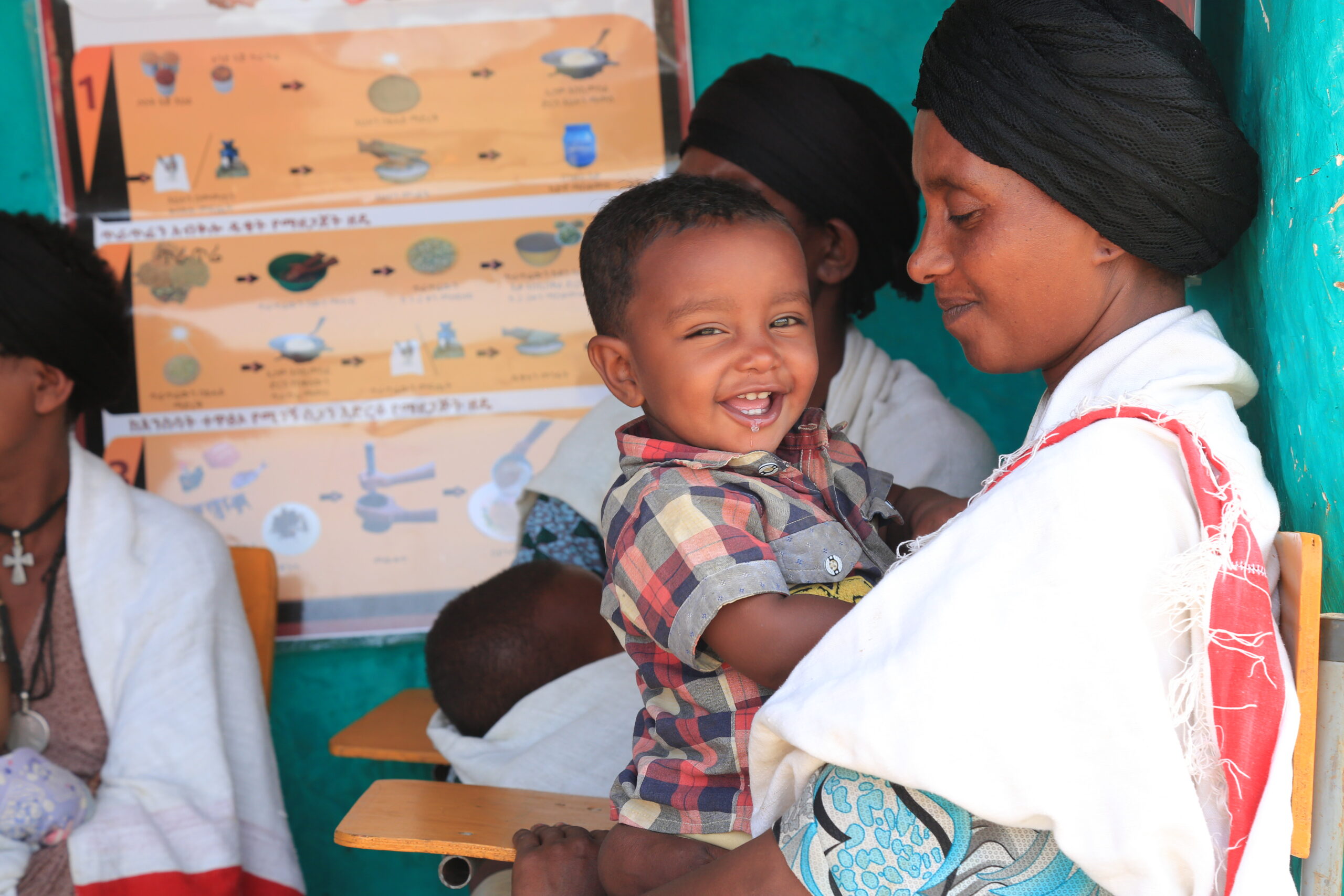
Addressing gender and nutrition data gaps through the operationalization of the Gender-Transformative Framework for Nutrition
Gender and nutrition are deeply connected, with women and girls making up 60% of those facing chronic food insecurity worldwide. The COVID-19 pandemic worsened this disparity, hitting women harder than men. Although the Gender-Transformative Framework for Nutrition (GTFN), developed by a Canadian-led coalition, introduced a new approach to integrate gender equality into nutrition, it lacked practical tools for implementation. This project bridged that gap.
Over three years, partners collaborated globally to co-create a flexible, inclusive toolkit to operationalize the GTFN throughout the program cycle. Guided by practitioners and advocates , the toolkit addresses barriers in system-based thinking, advocacy, organizational capacity and intersectionality. Its adaptable tools can be used individually or together to support gender-transformative action. By centring co-creation and lived experience, this project turned theory into a practical resource, advancing more equitable and sustainable nutrition outcomes across contexts.
“Our CoLab seeks to build on the momentum created by the Gender Transformative Framework for Nutrition to transform the way organizations tackle the underlying drivers of malnutrition through the co-creation of practical tools and guidance that promote gender equality and empowerment through multisectoral action.”
What are the data problems that this Lab is working to solve?
The proposed project has followed a robust action plan that led to the development of a toolkit for the operationalization of the Gender-Transformative Framework for Nutrition (GFTN).
It will research potential outcomes to measure activities, indicators, sources, and target groups that would inform the design, administration and monitoring according to the GTFN.
By addressing these underlying barriers to effective advocacy, problem definition, intersectionality considerations in data collection and use, and organizational capacity for implementation, project outputs may be utilized directly by communities and nutrition sector actors to drive gender-transformative change across the nutrition program life cycle. Ultimately, working to address gender inequalities, discriminatory gender norms and unequal power imbalances that contribute to malnutrition.
Tools and resources
Do you have any questions about this CoLab? Contact Jenna Hickey or Victoria Sauveplane-Stirling.
Co-creation front and center at Women Deliver 2023
Catalyzing Collective Action Through Gender Transformative Nutrition was an event jointly hosted by the Gender Transformative Framework for Nutrition Coalition (GTFN), a Collaborative initiative, and the Scaling Up Nutrition (SUN) Movement. The session sought to explore and highlight the potential of the GTFN to tackle gender inequalities and improve nutrition outcomes by analyzing gender power dynamics and engaging in nutrition programs at national, subnational and community levels.
Read more here.

Program undertaken with the financial support of Global Affairs Canada.