This past February, the Demographic Health Survey Program, a cornerstone of health data in many countries, saw its funding discontinued. This major shift in global health data availability is raising urgent questions about access, accountability, and action. In response, CanWaCH is launching a two-part webinar series to explore the far-reaching impacts of these changes and what they mean for the future of global health. Simultaneous interpretation is available.
Webinar 1 – June 11, 2025, 1 p.m. to 2:30 p.m. EDT
This webinar will focus on contextualizing the impacts and implications of the DHS termination and discuss actions that stakeholders are taking or could take to ensure the availability and reliability of global health data. Concerns about data preservation and access will also be explored.
Webinar 2 – June 25, 2025, 1 p.m. to 2 p.m. EDT
This webinar will zoom out to present the larger demographic health data landscape and ecosystem. This will include an overview of what remains from the DHS Program, and how gaps might be addressed. External guest speakers will be invited to share their perspectives on how demographic health data systems might be reimagined, focused on themes of cost efficiencies, data quality, sustainability and local ownership.

On May 6 and 7, 2025, CanWaCH hosted its third Global Health Impact Summit in Toronto, Ontario, under the theme Data That Speaks: Actioning Qualitative Approaches in Global Health and Gender Equality Programming. The event brought together Canadian and global practitioners for hands-on workshops, candid peer exchanges, and collaborative workshopping focused on integrating qualitative methods into monitoring and evaluation.
The Summit welcomed 26 project presentations, three interactive workshops, and three participant-led discussions – all centered on qualitative approaches.
Attendees left with practical tools, stronger networks, and greater capacity to apply inclusive, evidence-driven strategies in their programming. A high-level synthesis document will be forthcoming. In the meantime, here are just a few of the key takeaways that attendees shared with us:
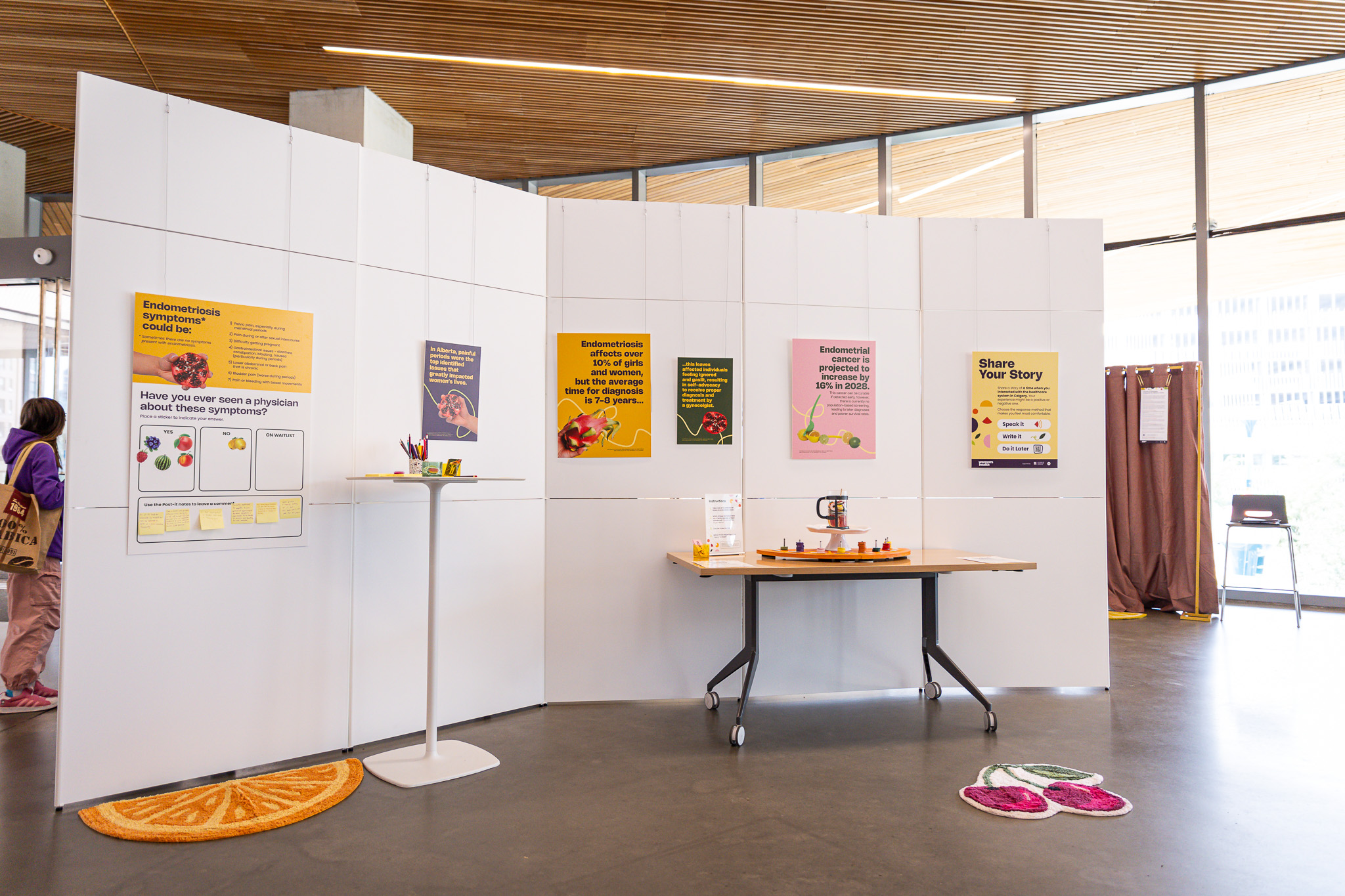
Following the end of the first day of the summit, CanWaCH hosted an inspiring evening of connection and creativity. An art showcase at the event featured powerful pieces, including striking photo stories from Plan International Canada and 34 SDG-themed mixed-media pieces from World University Service of Canada. Compelling digital stories from a CanWaCH Collaborative led by Ugandan and Canadian teams offered fresh and thought-provoking perspectives on health through art.
Passionate about research? CanWaCH is excited to introduce HERA – the Health Excellence Research Alliance. This sub-brand will be the new home of our work as the Coordinating Centre for the Pan-Canadian Women’s Health Coalition and for the Canadian Collaborative for Global Health. It will also include a growing spectrum of our work supporting critical health research both domestically and around the world. Sign up for updates here and follow the brand on LinkedIn and BlueSky.
On Our Radar
Have any data resources, news updates, highlights and events you would like to share? Please contact us at [email protected].
Received this from a friend or colleague? Subscribe to the Data for Impact Bulletin mailing list here.