
The Canadian Partnership for Women and Children’s Health (CanWaCH) acknowledges that Indigenous peoples are the traditional guardians of Turtle Island, on the land also known as Canada. We recognize their long standing and ongoing relationship with this territory, which includes unceded and traditional land, and acknowledge our duty to walk with and alongside reconciliation and decolonization efforts.
We recognize that keepers of traditional Indigenous knowledge can be found in every community.
We believe that as settlers on this land, we have a responsibility to continually engage along our journey to meaningfully enact allyship, to reassess and reconsider our positionality in the spaces we occupy, and to use our voice to speak out against systemic injustices experienced by Indigenous peoples.
Reconciliation is an ongoing process, requiring unlearning colonial practices, history and relearning our shared past, present and future. We are committed to working in partnership to pursue a more inclusive, collaborative and respectful path forward grounded in the 94 Calls to Action from the Truth and Reconciliation Commission and the United Nations Declaration on the Rights of Indigenous Peoples.
Dear friends and partners,
This past year has tested the resolve of our sector in profound ways. Around the world, women and children endure the confluence of crises that fill our screens each day. Devastating conflicts, rising displacement and an ongoing hunger crisis are stunting potential before it even takes shape. The systems meant to protect health and rights are straining under pressure, and political currents at home and abroad have threatened the progress we have fought so hard to achieve.
Against this backdrop, the CanWaCH Board of Directors has seen, once again, the critical role our coalition plays as a grounding force in the sector. In moments of upheaval, CanWaCH’s work offers clarity. It reminds us that evidence matters, that convening matters, that collective action matters. By bringing members, partners and expertise together in purposeful ways, this coalition makes progress achievable even in uncertain times.
It is no secret that those of us working in global health and development are under immense pressure to do more with less. Coalitions like CanWaCH ensure that no organization is left to face that challenge alone.
CanWaCH working groups continue to provide trusted spaces to exchange knowledge and confront challenges collectively. Public opinion polling, data tools and timely resources empower members to act with greater clarity and confidence. CanWaCH does more than steady the sector in difficult times. It enables all of us to grow stronger together.
What has struck me most about CanWaCH this past year is our ability to turn pressure into possibility. Even as crises grow and resources shrink, the team’s focus, coordination and vision allow us to protect what works, shape what matters and guide what happens next. All while staying firmly rooted in a shared belief that the health and rights of women and children everywhere are paramount to a better world for all of us.
Thank you to every member, partner and supporter who has contributed to this conviction. Because of your dedication, CanWaCH continues to provide the strength of a coalition at a time when it is needed most. Together, we are cultivating a landscape where women and children can grow, flourish and reach their full potential.

Sincerely,
Onome Ako
Board Chair
Dear colleagues,
If this year has shown us anything, it is that CanWaCH’s strength lies in our ability to grow in two directions at once. While we planted our roots deeper, we also expanded outward. This year’s theme, Rooted in Impact, Reaching for Change, is a nod to our unmatched ability to do both with purpose and impact.
In May, our longtime CEO Julia Anderson departed after nine years with CanWaCH. Her legacy of authenticity, boldness and passion continues to shape who we are, and I know I speak for the entire team when I say how grateful we are for the foundation she helped build. One of Julia’s signature mantras was to‘do more of what works’. Over the past year, we did exactly that.
We leaned into the areas where we know we deliver real value. We convened our members and partners in purposeful ways. We brought Canadian expertise to the global stage. We supported decision-makers with timely data and insight. And we gave members the tools, trainings and networks that help them succeed.
At the same time, we branched out. We stretched into new spaces and reached new audiences, from hockey rinks at WickFest to the halls of Parliament during one of Canada’s most dramatic election years. We expanded our partnerships in Canada and abroad, working closely with groups including the Inter-Agency Working Group on Reproductive Health in Crises (IAWG) and the Pan-Canadian Women’s Health Coalition. We showed up in familiar spaces in new ways, and in doing so, we grew in numbers, in capacity and in influence.
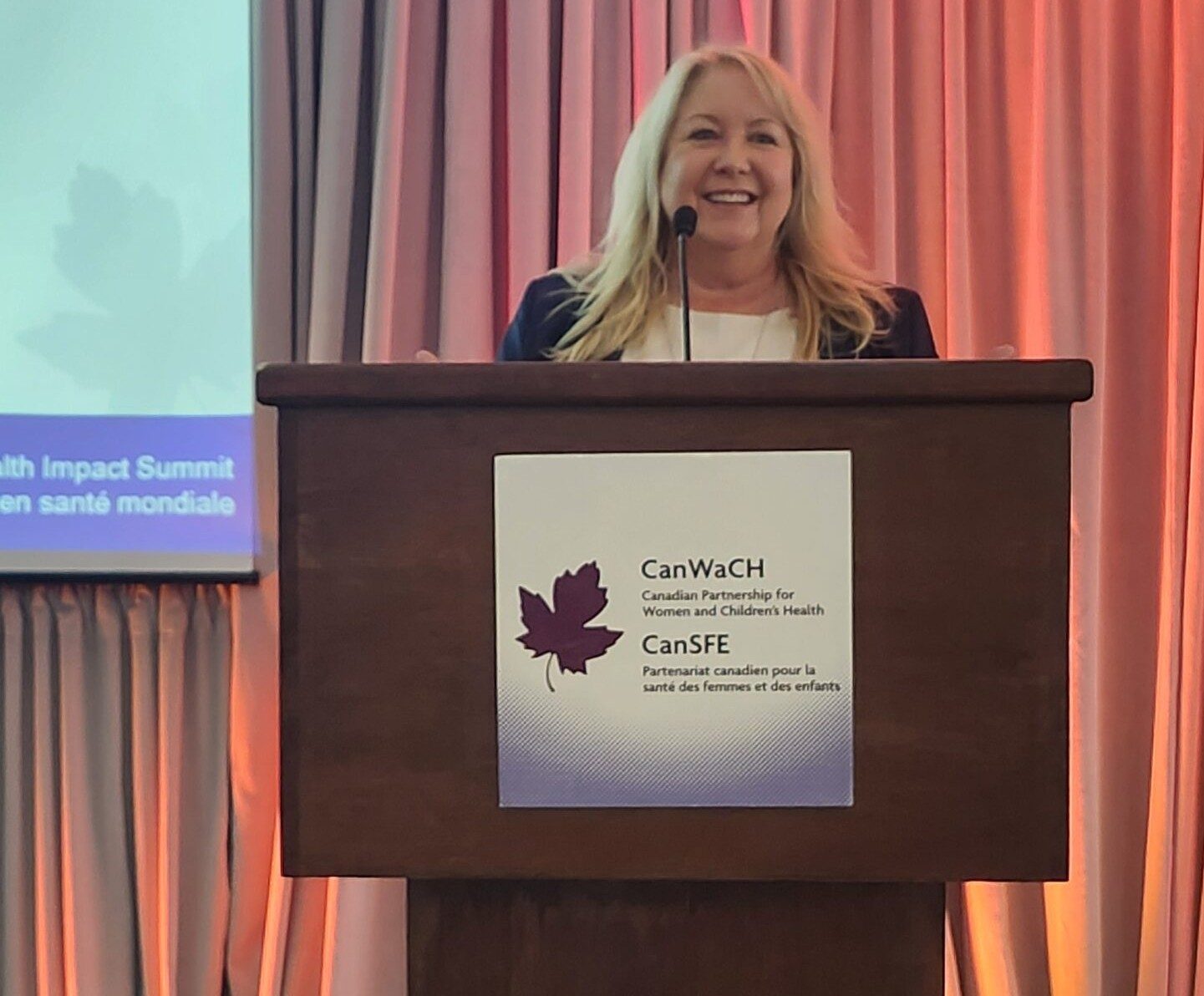
This report reflects a year where CanWaCH was both anchored and adaptive. The circumstances and geopolitics did not always make it easy, but they did make it necessary. Serving as Interim CEO during such a year has been an honour, made possible by the steady guidance of our Board and the dedication of the entire CanWaCH team. I am deeply proud of the roots we have strengthened and the branches we have extended in pursuit of lasting change.
We look forward to welcoming a new CEO this year and to continuing our work with the same steadiness and intent. Together with our members and partners, we will build on the roots we have strengthened and carry this momentum into the places where it matters most.


Sincerely,
Charmaine Crockett
Interim CEO

We welcomed 7 new member organizations for a total of 114 as of September 30, 2025
We hosted 49 events and learning sessions with 4,352 total registrants.
We produced 26 tools and resources.


(based on a survey sent to all member organizations)

| Platform | 2023-24 | 2024-25 | Change |
|---|---|---|---|
| 3,966 | 4,124 | +4% | |
| 1,626 | 1,861 | +15% | |
| 8,468 | 8,851 | +23% | |
| X (Twitter) | 6,369 | 6,154 | -3.4% |
| Total audience | 19,158 | 20,990 | +10% |

While website traffic remained fairly steady on the English site, our emphasis on more French-first content and Francophone-inclusive spaces led to significant growth on CanSFE.ca.
| Metric | 2023-24 | 2024-25 | Change |
|---|---|---|---|
| Total views: CanSFE.ca | 37,540 | 51,393 | +37% |
| Active users: CanSFE.ca | 25,686 | 40,014 | +56% |
| Total views: CanWaCH.ca | 186,258 | 167,617 | -10% |
| Active users: CanWaCH.ca | 70,600 | 66,476 | -6% |
Take a closer look at key events, trainings and launches over the past year!
This year, CanWaCH navigated a period of leadership transition while staying firmly grounded in the expertise, dedication and shared purpose of our team. With this solid foundation, we continued supporting members, strengthening networks and advancing impact across Canada and globally. During a season of undeniable change, our deep roots allowed us to flourish.
54%
of CanWaCH members identify as an SMO (a Small/Medium Organization operates with less than $5 million annual budget)
48
CanWaCH member organizations are represented on at least one of our working groups
From the beginning, CanWaCH has been driven by the power of coalition. We wouldn’t be who we are without the full diversity of our membership, and the shared belief that we are greater than the sum of our parts. Supporting members to deliver greater impact for women and children around the world has always been core to our work, and it remained so this past year.
CanWaCH working groups continued to be one of the most valued forums for knowledge exchange across the coalition. These groups draw on the unique skills of members to generate practical insights, connect over shared challenges and ensure that the collective strength of our network drives real change.
In addition to supporting member organizations behind the scenes, CanWaCH amplified the voices and work of our members using a variety of tried-and-true digital channels. Through our monthly newsletter (now reaching nearly 6,000 subscribers) we showcased member activities alongside CanWaCH news and resources, with an open invitation for members to contribute their own updates.
Our Write to Thrive blog offered members and partners a platform to share lessons and reflections while highlighting key initiatives. Elsewhere on CanWaCH.ca, our job board remained one of the most visited pages, while the events calendar served as a one-stop-shop to stay aware of sector gatherings. Together, they provided members with trusted, visible channels to showcase opportunities and engage the wider global health and development sector.
Throughout the year, we remained equally committed to supporting members through data and evidence. The Project Explorer offers the most robust open-access dataset on Canadian development, humanitarian and gender equality projects worldwide. Quarterly data drives ensured members were regularly given the opportunity to include their own project data in this one-of-a-kind database (and to use it for their own benefit, as well). We continued to highlight these evidence-driven insights and opportunities in our quarterly Data for Impact Bulletins.
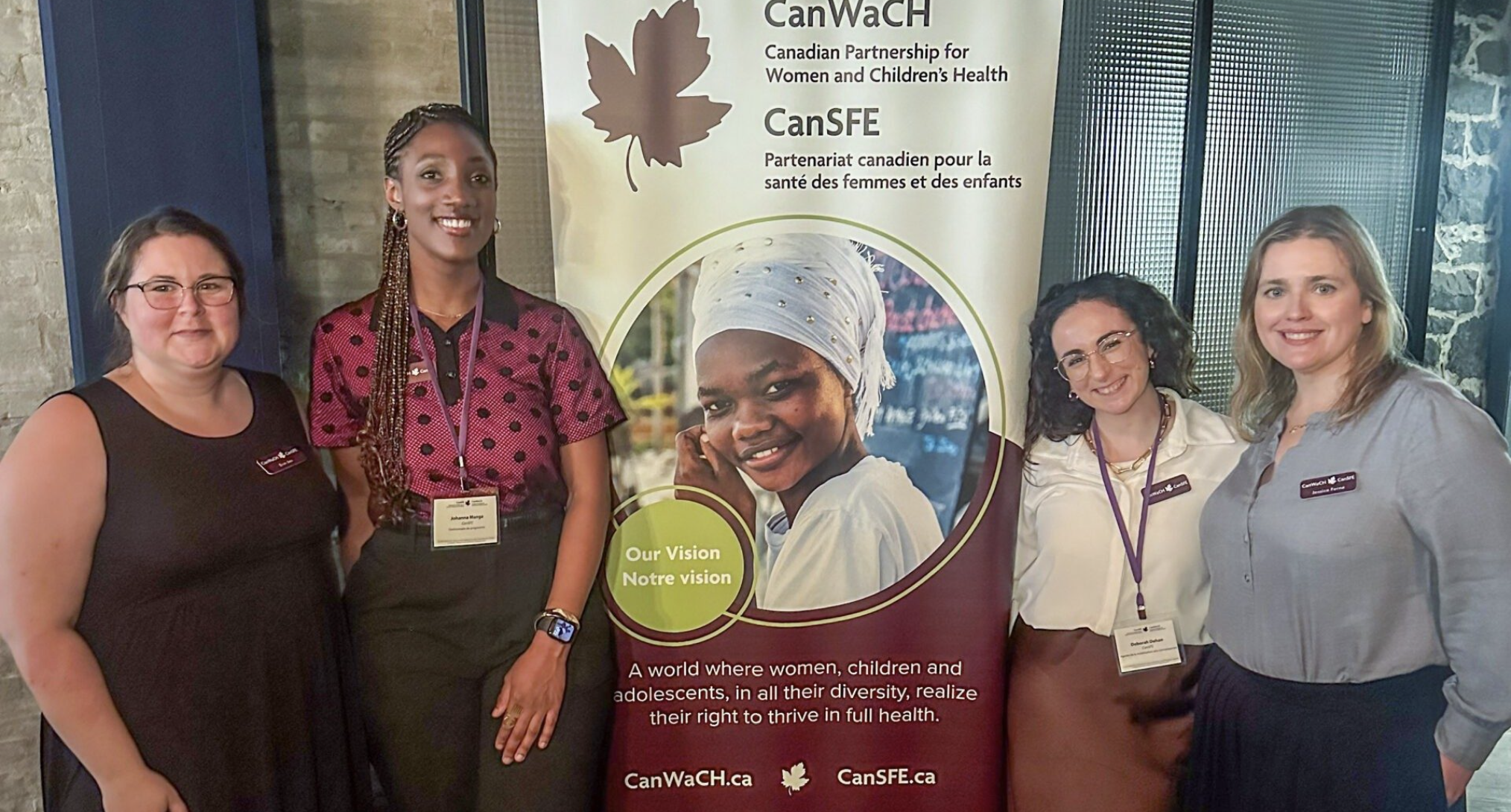
“Thank you all for your continued dedication and support! Given the state of the world these days, it is more important than ever to build levels of trust and create sites for rich and meaningful conversation. CanWaCH and its staff continue to do that while also building our capacity to achieve the positive changes we’re all striving for.”
The CanWaCH Academy has become a cornerstone of our knowledge-sharing offerings. Each year, we carefully curate a selection of virtual sessions designed with something for everyone. Guided by the needs and interests members share with us, the Academy bridges knowledge gaps, strengthens day-to-day practice and supports professional growth across the coalition.
Our 2024-2025 year encompassed two editions of the Academy. The 2024 Academy offered a wide-ranging series of practical sessions to help members sharpen their skills and deepen their knowledge across global health and development. Building on that momentum, the 2025 Academy was strategically held during Gender Equality Week and focused on timely, member-driven themes. Sessions explored topics such as ethical storytelling, measuring advocacy and strengthening health systems with AI. In the 2025 edition, we also offered parallel sessions in French (rather than relying on simultaneous interpretation) at the suggestion of several francophone stakeholders.
By anchoring the Academy in member priorities, we ensure it remains a space that is both practical and inspiring — helping participants address immediate challenges while investing in their long-term professional development.
In addition to amplifying useful tools from across the sector, CanWaCH continues to create original resources that support Canada’s global health and development community. Our Resource Centre offers a diverse mix of reports, guides and practical tools designed to inform and empower.
In addition to written resources, we continued to offer live webinars, ranging from formal presentations like Reimagining Partnerships to informal member coffee chats on topics like ethical dilemmas in funding.
Gaining insight into Canadian perspectives on global engagement is a key component of effective advocacy and communications. This past fall, we released the results of a public opinion survey conducted by Abacus Data and developed in partnership with CanWaCH’s Public Opinion Research Working Group. The results showed strong support for Canada’s role on the global stage, with nine in 10 Canadians affirming the importance of international leadership. The polling also revealed generational differences, new views on global health priorities and fresh insights into how Canadians see Canada’s role in development.
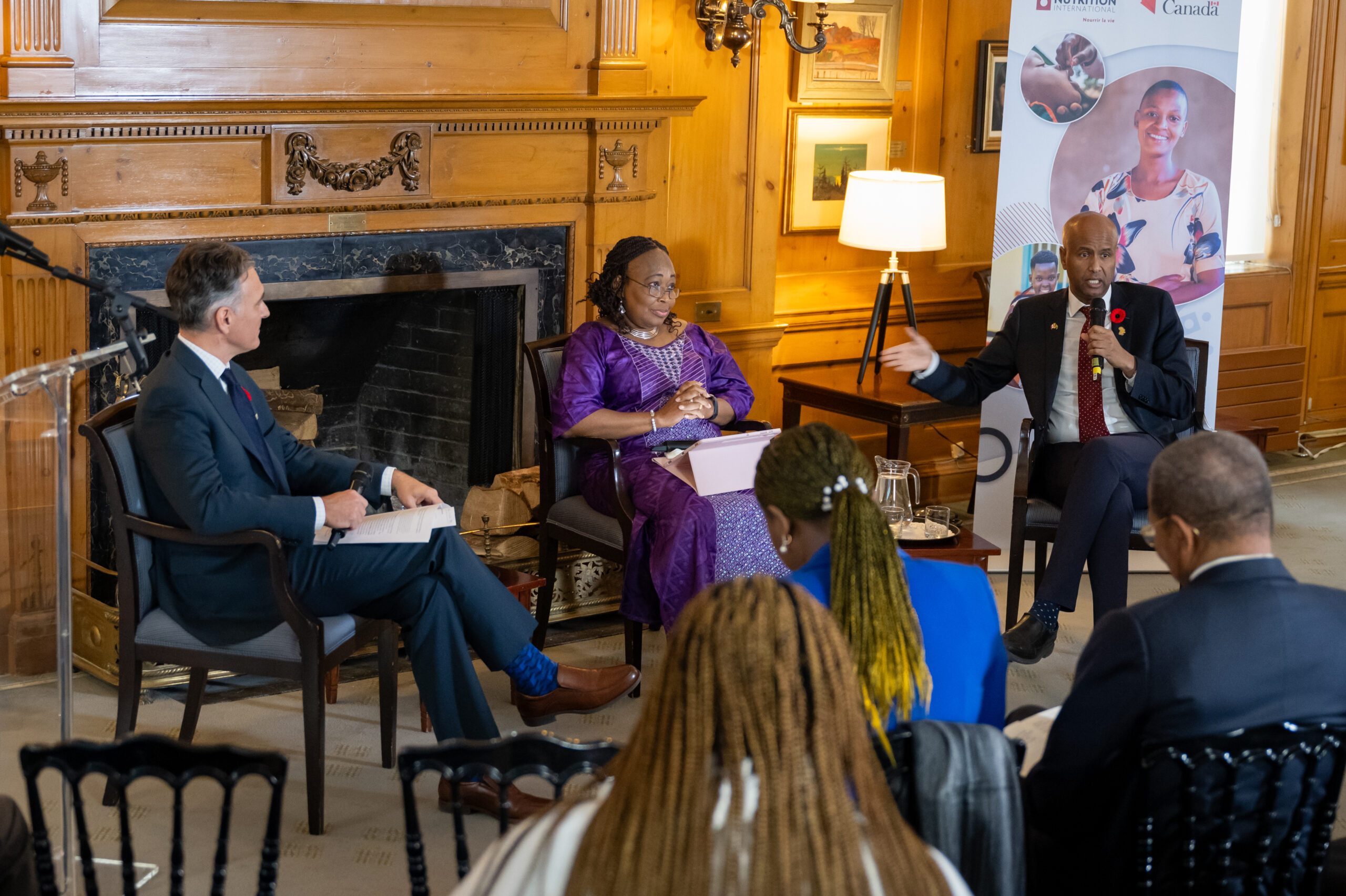
During International Development Week (IDW), CanWaCH partnered with World Vision Canada and the Gender Transformative Framework for Nutrition (GTFN) coalition to host a roundtable on advancing gender-transformative nutrition. The discussion highlighted Canada’s leadership in embedding gender equality within nutrition commitments, building on momentum from the launch of the GTFN in 2020 and the 2021 Tokyo Nutrition for Growth Summit.
Participants shared tools, lessons and best practices from Canadian and global partners, underscoring the importance of sustained investment in research, knowledge sharing and technical assistance. The roundtable also reinforced the central role of Canadian civil society in driving accountability and supporting implementation. With representatives from Global Affairs Canada and the academic community engaged in the dialogue, the session served as an important opportunity to showcase the tangible impact of Canada’s leadership in nutrition on the global stage.

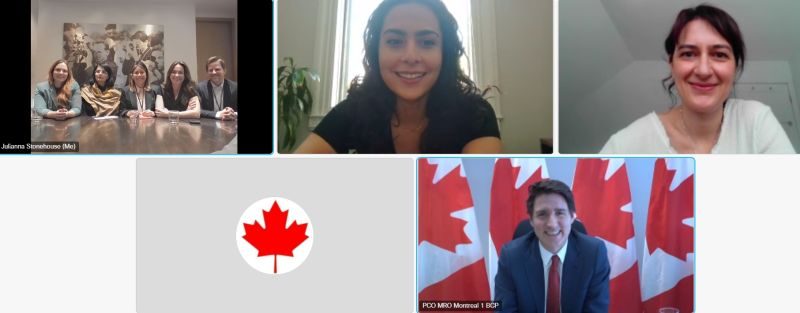
In March, CanWaCH was proud to co-host a celebration of Canada’s renewed pledge of $675 million to Gavi, the Vaccine Alliance. The announcement, made in Toronto, underscored the life-saving power of immunization to protect women, children and communities worldwide.
Co-hosted with Global Affairs Canada, Global Citizen, ONE Canada and Results Canada, the event brought together CanWaCH members, grassroots advocates and global health leaders, including Gavi CEO Dr. Sania Nishtar. Speakers reflected on how vaccines not only save lives but also advance equality by protecting women and girls from deadly diseases such as malaria and cervical cancer.
Following the announcement, then-Prime Minister Justin Trudeau joined sector leaders, including CanWaCH CEO Julia Anderson, to mark the occasion. His participation on one of his final days in office reinforced Canada’s role as a champion of global health and the enduring impact of investments in immunization.
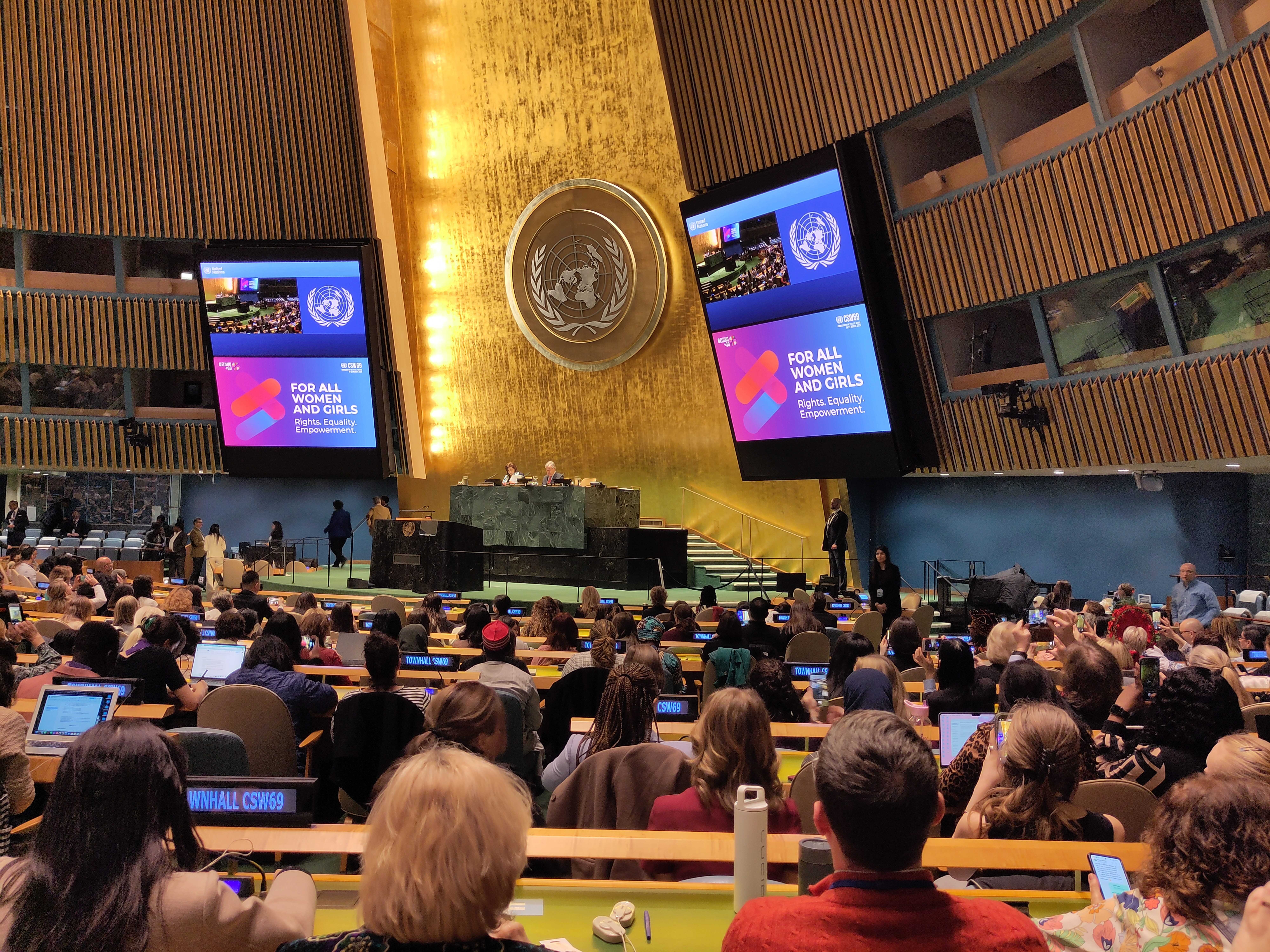
Each year, the Commission on the Status of Women (CSW) convenes thousands of advocates, policymakers and civil society leaders from around the world at United Nations Headquarters in New York City to advance women’s rights and gender equality. The 69th session carried particular significance, marking three decades since the landmark Beijing Declaration and Platform for Action, while confronting the urgent realities women and girls face today.
CanWaCH was proud to support a delegation of youth and member representatives to take part in this milestone gathering. Throughout the first week, delegates engaged in key discussions, exchanged insights at side events and carried their learnings back to their own networks. We invited them to reflect on their experiences, capturing diverse perspectives on what it meant for them to be part of the delegation, and to contribute to this global movement for equality.
Even during a time of domestic and global change and uncertainty, CanWaCH’s sturdy roots allowed us to reach farther than ever before. Throughout the year, we explored new partnerships, initiatives and audiences without missing a beat, building our momentum and connecting with Canadians and global partners every step of the way.
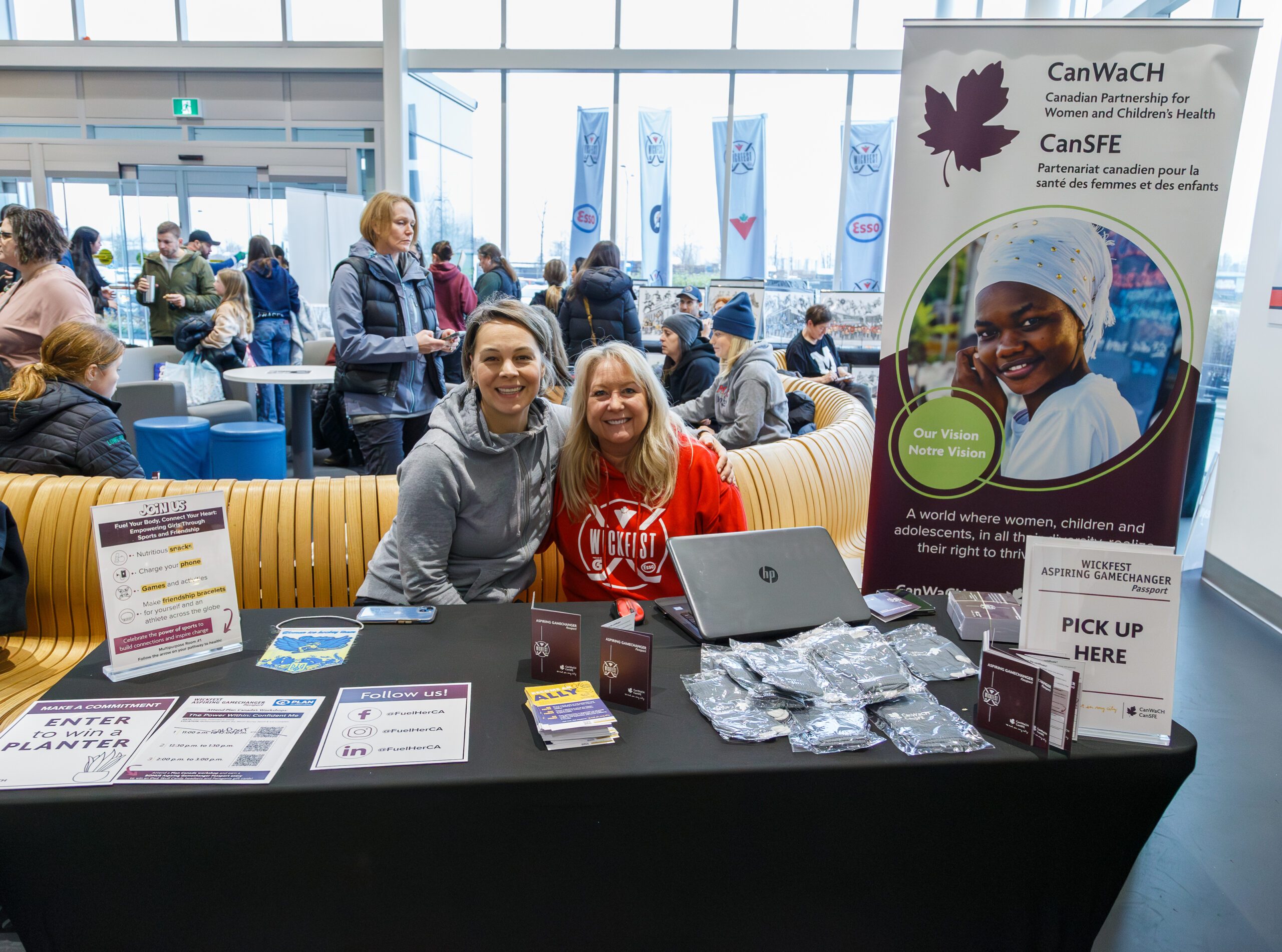
This past year, CanWaCH sought new ways to harness the power of partnership to tackle public engagement. Partnering with hockey legend Hayley Wickenheiser and her team, we brought women’s and children’s global health to centre ice at the Wickenheiser Female Hockey Festival (WickFest). Over two weekends in Calgary and one in Surrey, thousands of young athletes, families and fans connected with our work in new and meaningful ways.
Together with members and partners like CARE Canada, Plan International Canada, Not in My City and The True Athlete Project, we delivered interactive activities, workshops and installations (including a screening of a young Ugandan athlete’s remarkable story) to blend the worlds of hockey and global awareness. The goal was for girls to leave the rink not only as better athletes but as young global citizens with a deeper understanding of the world.
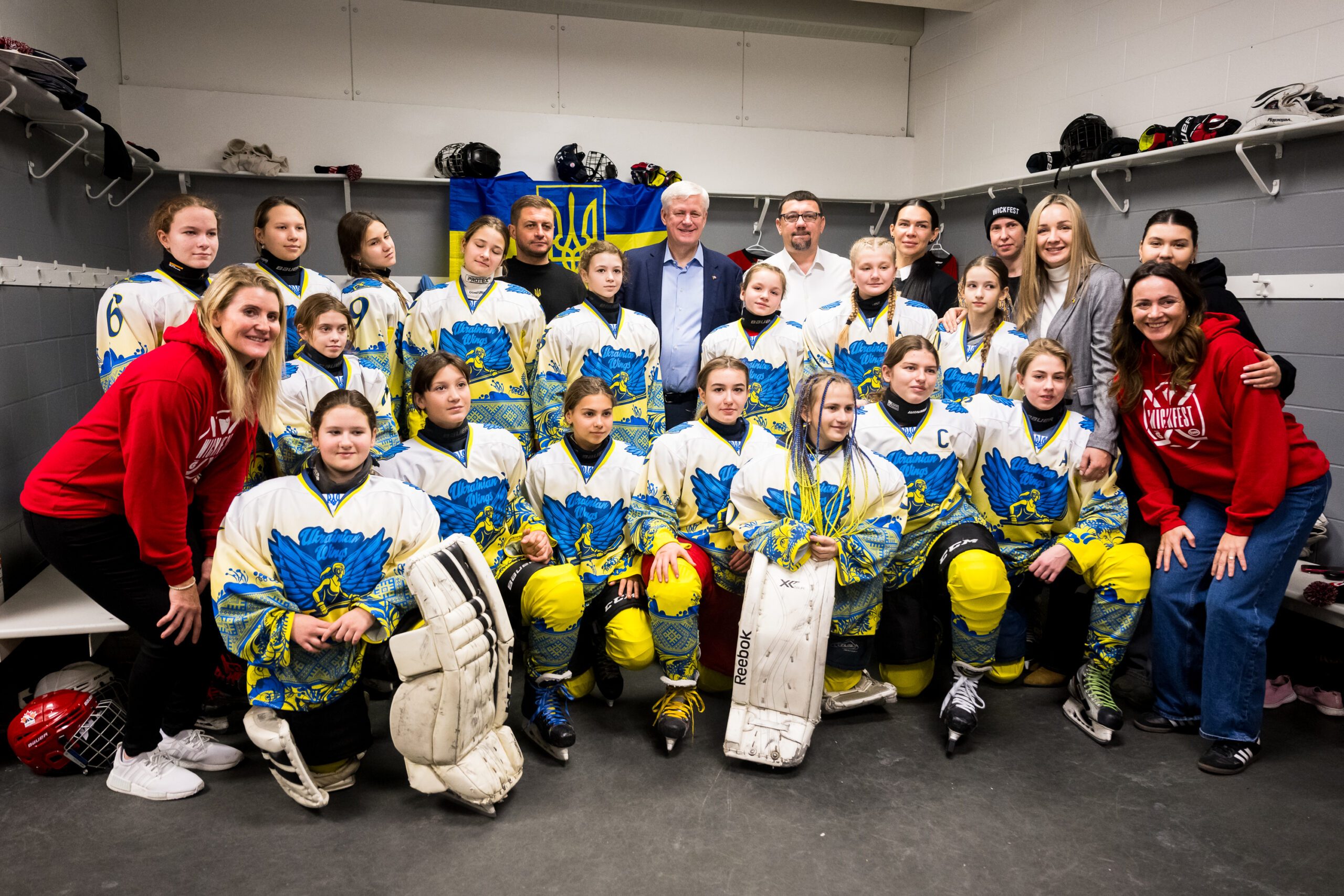
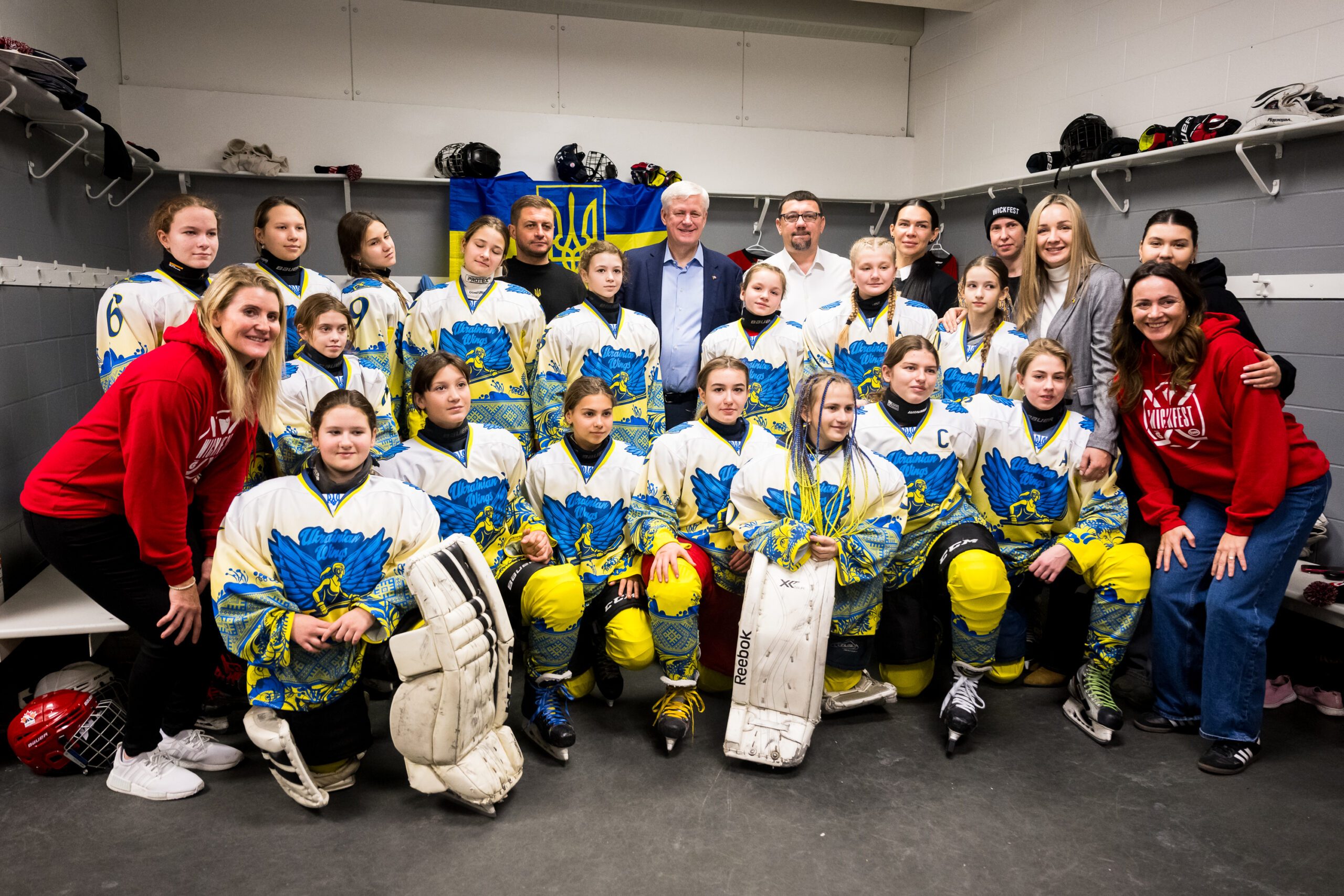
One of the most powerful moments came in Calgary, where CanWaCH helped support the participation of the Ukrainian Wings team, a group of U13 girls who have continued to play hockey amid the devastation of war. For these athletes, WickFest represented far more than a tournament. It was a “week of peace”, a chance to play freely and connect with other girls who share their love of hockey.
CanWaCH also arranged cultural experiences in Calgary, giving the team a taste of Canadiana alongside their time on the ice. Their visit reached a symbolic peak when former Prime Minister Stephen Harper dropped the puck for their special game with the Calgary Canucks, an event that attracted national media attention.
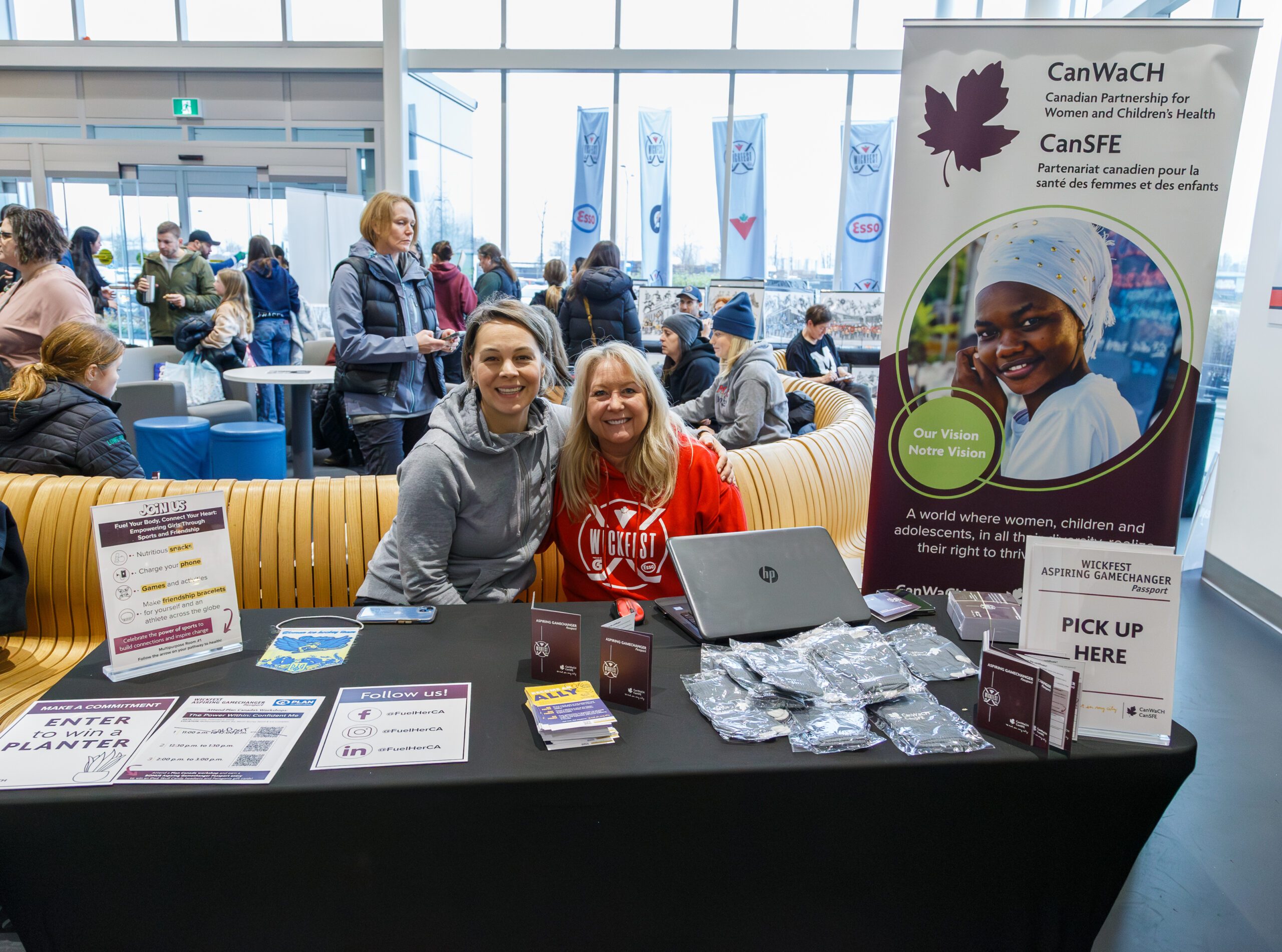
During WickFest Surrey, CanWaCH launched FuelHER, a new sub-brand designed to inspire the next generation of leaders through sport. The FuelHER activation space offered hands-on learning and storytelling opportunities, showing how Canadian leadership in global health connects to the everyday lives of girls and women worldwide.
See former CEO Julia Anderson expand on our partnership with WickFest.
CEO Julia Anderson and Hayley Wickenheiser further captured this messaging through a joint op-ed, first published in the Calgary Herald and later picked up in Vancouver and Edmonton.
Following the success of the tournament, we released Scoring Big in Public Engagement: Lessons from the CanWaCH-WickFest partnership, which offers a deeper dive into the key outcomes, learnings and practical considerations that brought this partnership to life. For CanWaCH, WickFest became more than a tournament. It was a laboratory for innovation, a national platform for engagement and a moment of solidarity with girls whose resilience inspired Canadians from coast to coast to coast.
The Pan-Canadian Women’s Health Coalition (PCWHC) brings together researchers from across the country to address persistent gaps and under-researched areas of women’s and gender diverse people’s health. Supported by the Canadian Institutes of Health Research and Women and Gender Equality Canada as part of the National Women’s Health Research Initiative, the Coalition is designed to amplify the visibility, value and urgency of this research, ensuring it drives impact where it is needed most. In 2024, CanWaCH assumed its role as the Coordinating Centre, helping align and mobilize efforts across the Coalition’s 10 regional Hubs.
See Dr. Isabelle Malhamé, Principal Investigator of the GEM Hub, offer a peek into the origins of her work, and what it means to be part of the broader Pan-Canadian Women’s Health Coalition.
This past year, we ramped up our role by supporting strategic knowledge mobilization and communications that connect the Coalition’s work with the right audiences. We launched a dedicated LinkedIn profile, a Bluesky account and a PCWHC-specific newsletter to strengthen engagement and expand reach. In May, CanWaCH convened Hub members in Vancouver for a two-day in-person knowledge mobilization event, where participants connected, exchanged strategies and co-developed approaches to enhance policy influence in a shifting political landscape.
To extend this momentum, we also hosted a Vancouver Member Dialogue that brought CanWaCH members into conversation with Coalition Hubs. The informal evening created valuable space for relationship building, knowledge exchange and new opportunities for collaboration, bridging two networks united in their commitment to advancing women’s and gender-diverse people’s health.

In December 2024, CanWaCH formally became the host organization for the Inter-Agency Working Group (IAWG) on Reproductive Health in Crises, the leading global membership alliance dedicated to advancing sexual and reproductive health and rights (SRHR) in humanitarian settings. With a network of more than 4000 members across 150 countries — including partners such as the Guttmacher Institute — IAWG brings together NGOs, UN agencies, governments, academic institutions and local organizations committed to ensuring that the needs of women and girls are prioritized in times of crisis.
For CanWaCH members, this partnership opens the door to a broader global network of humanitarian and SRHR practitioners, expanding opportunities for collaboration, knowledge exchange and access to new tools and evidence.
Over the past year, CanWaCH has worked with IAWG to strengthen governance structures and lay the groundwork for sustained collaboration. This behind-the-scenes work has been particularly vital in the wake of a drastically shifting funding landscape in the United States, where significant cuts and restrictions have created ripple effects across the global health and humanitarian sectors. With its foundations reinforced, IAWG is better equipped to sustain its role as a global platform indispensable in advancing SRHR in the world’s most challenging contexts, while also positioning both our networks to better respond to the global landscape.
Now more than ever, the need for humanitarian and development actors to work in lockstep is clear. Displacement, protracted conflict and climate-related crises continue to challenge traditional boundaries, and solutions must be integrated to maximize impact. Through this partnership, CanWaCH and IAWG are laying the groundwork for more coordinated action that connects evidence, practice and advocacy across both humanitarian and development spaces.
Hear more about the importance of our partnership with IAWG.

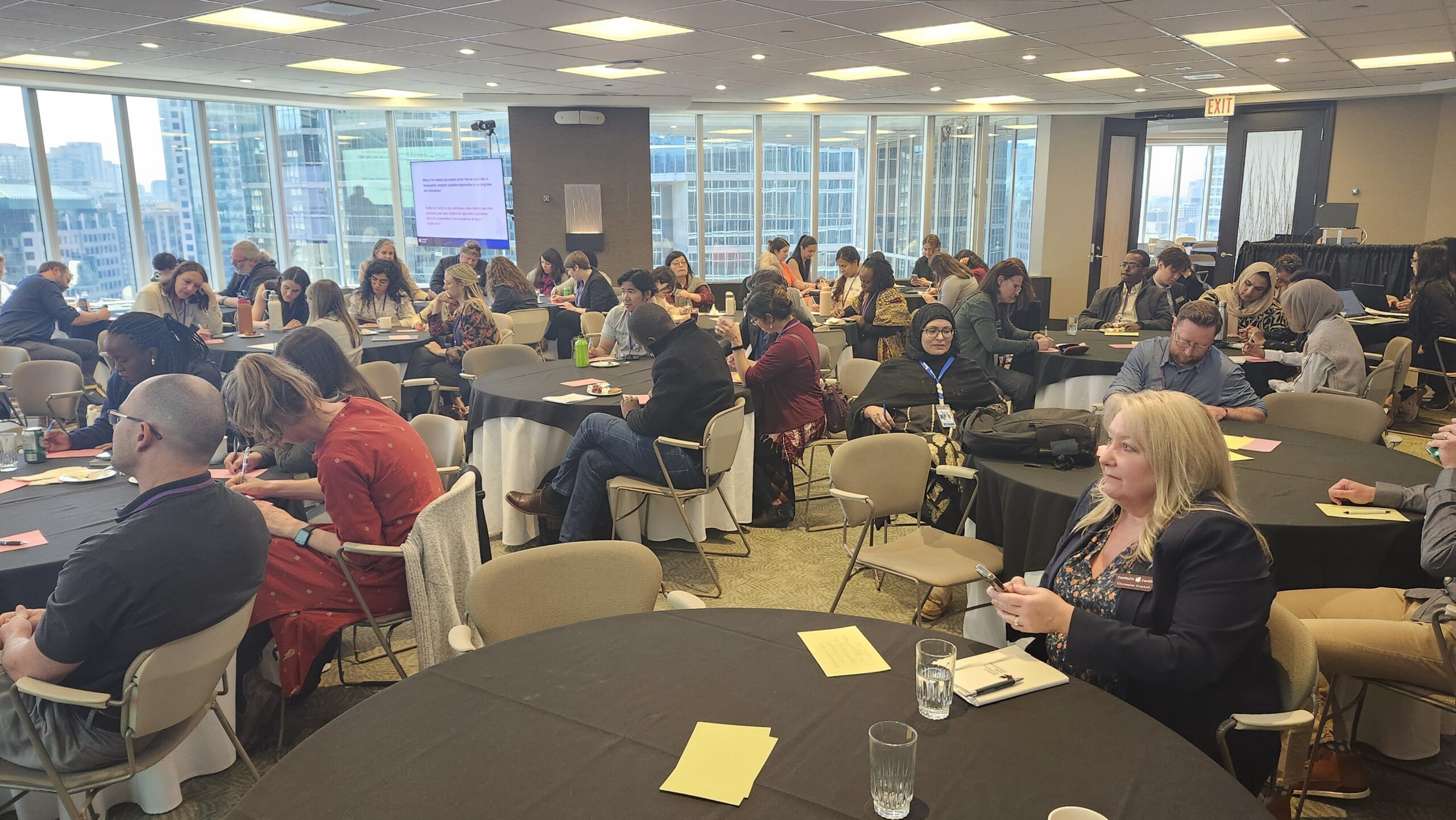
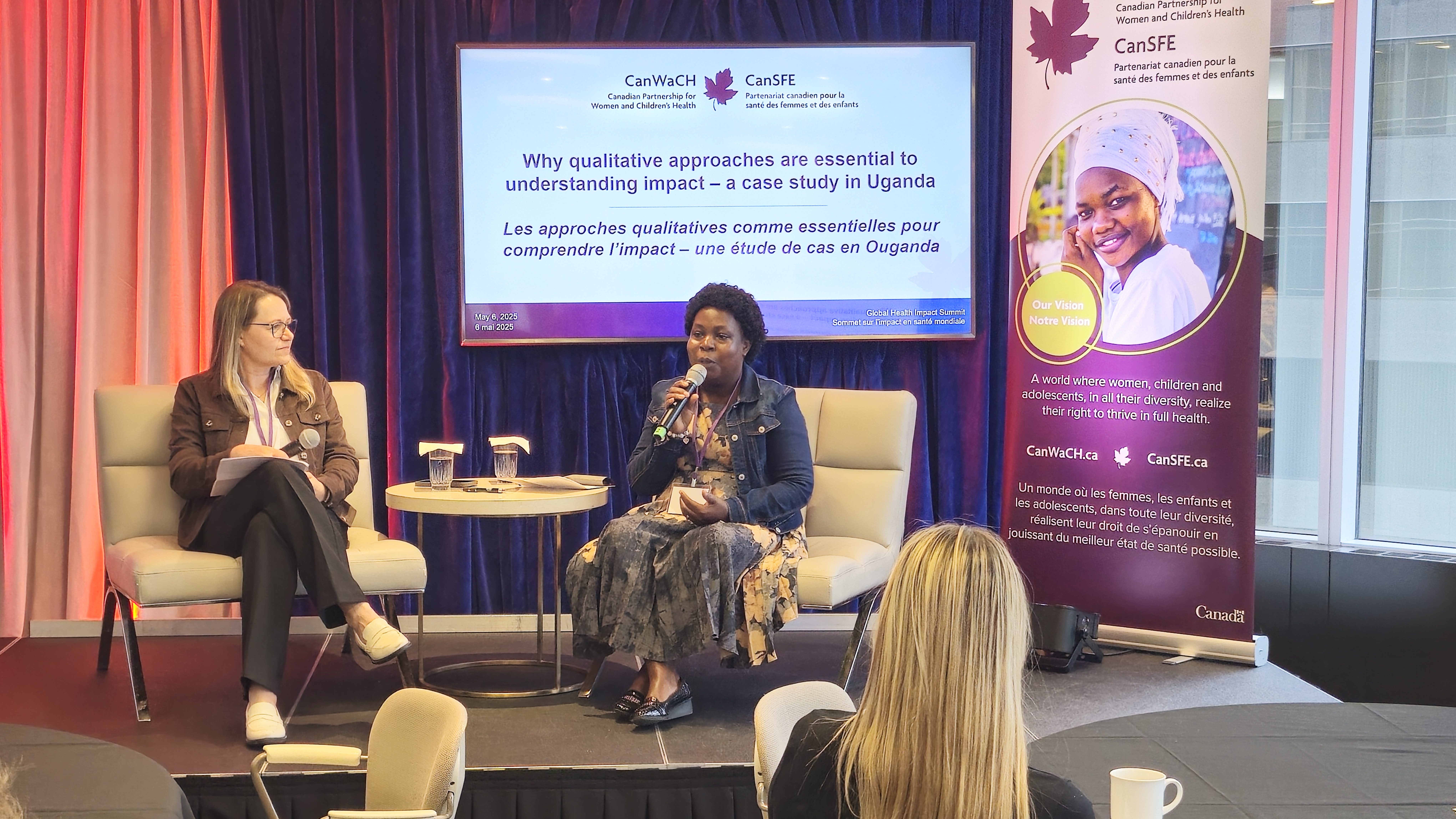
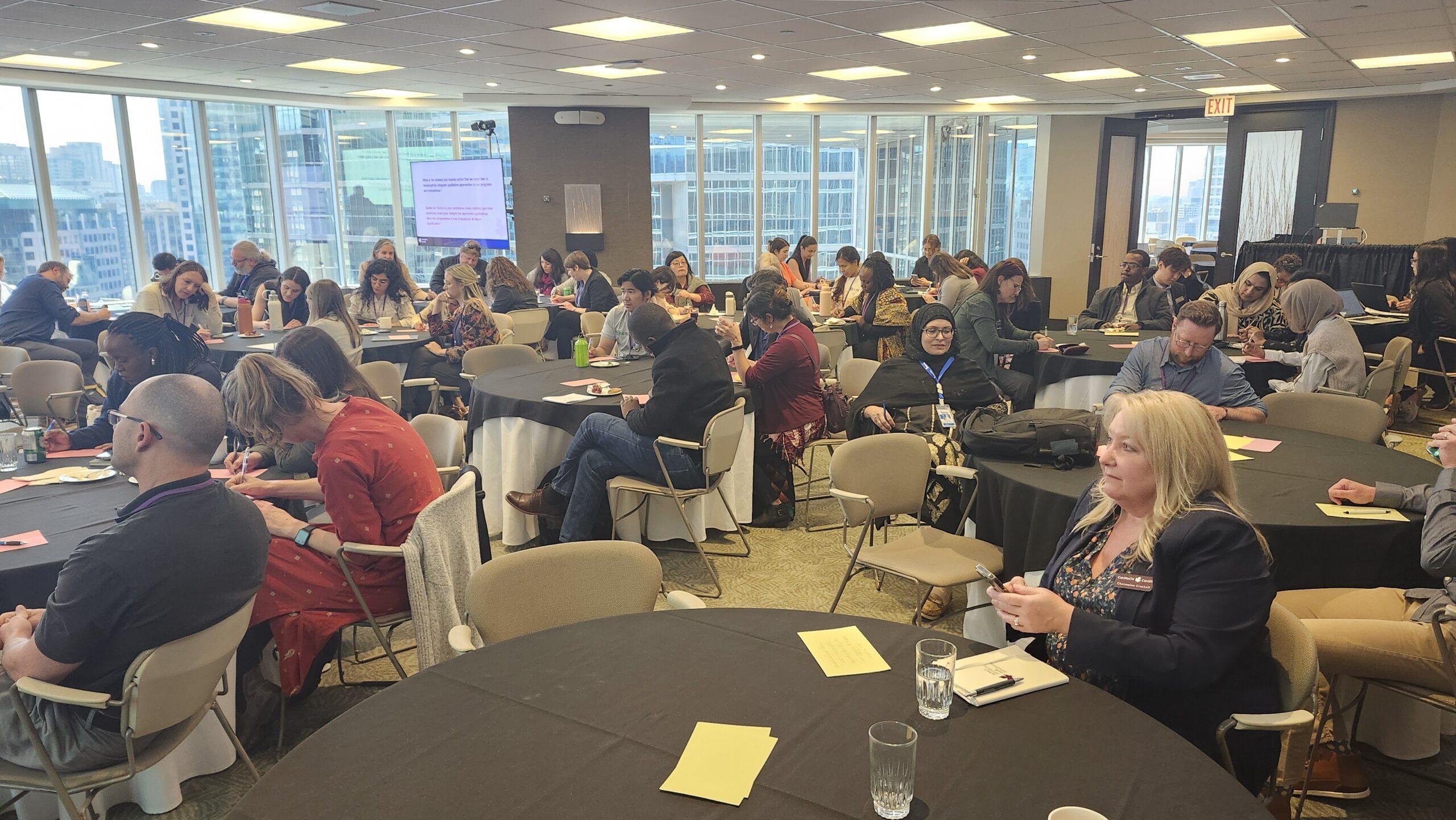
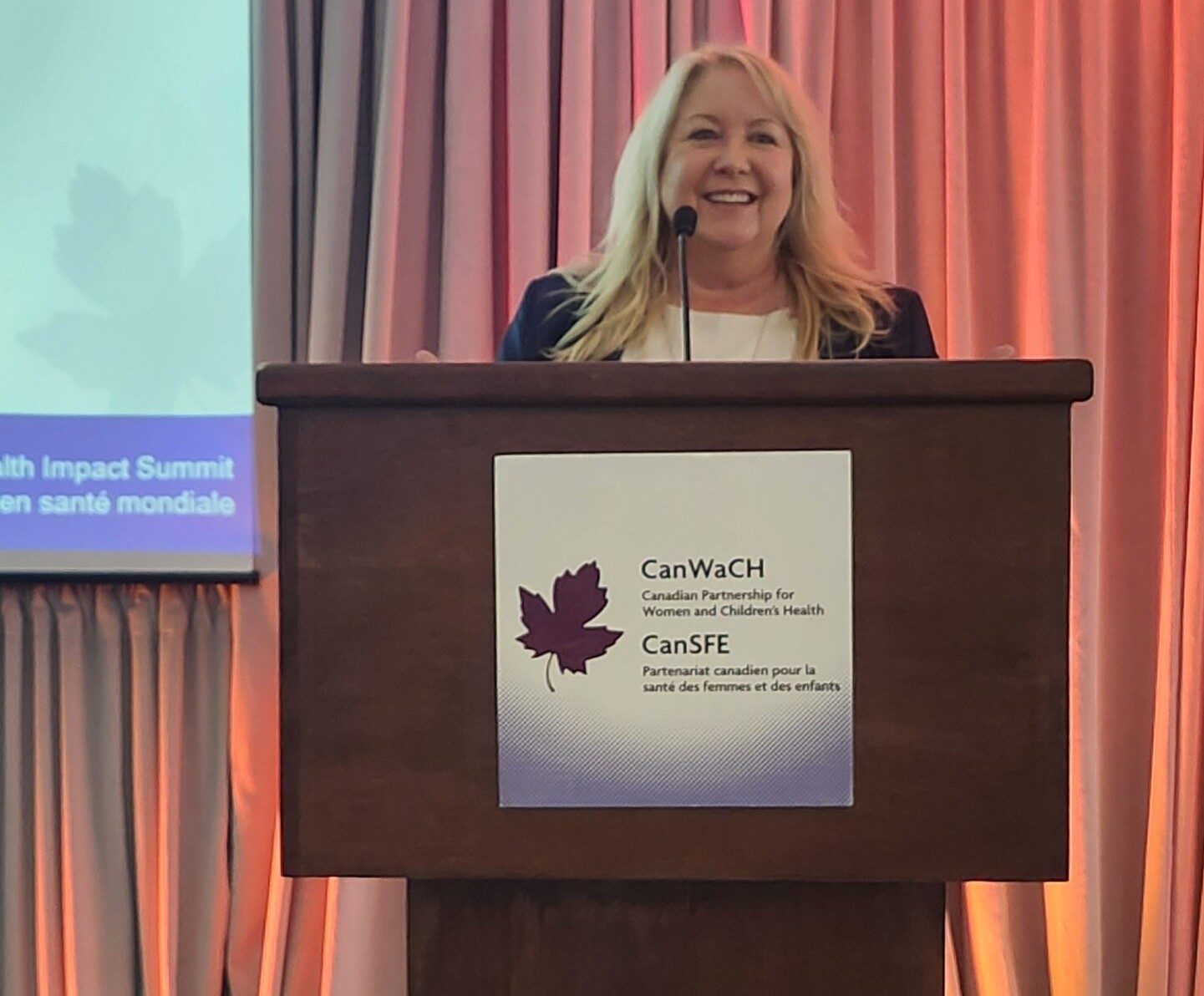
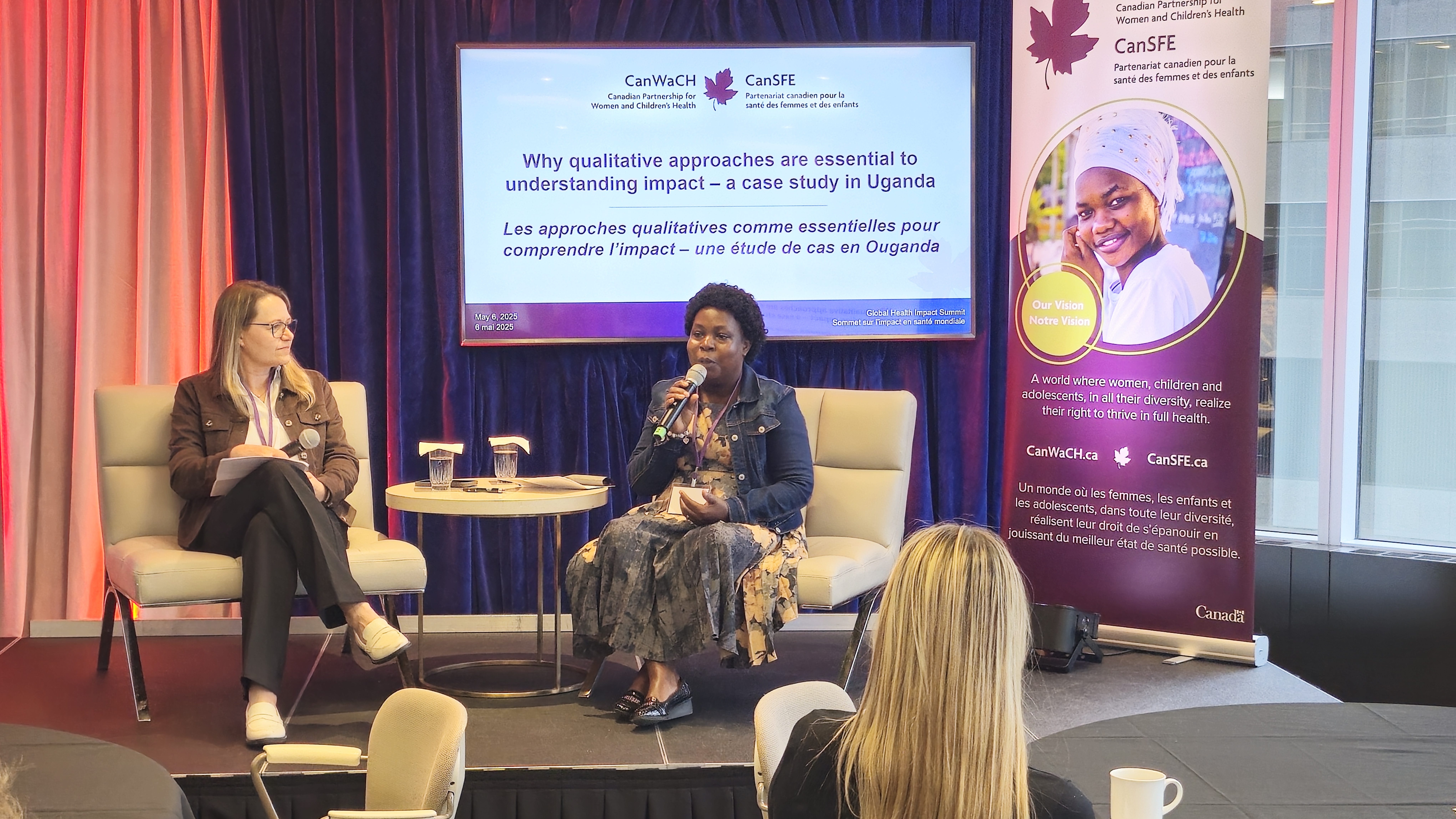
This year, CanWaCH took a bold step in reimagining the Global Health Impact Summit. In previous years, the event centered on a single thematic focus, with projects clustered around one subject area. In 2025, we shifted course. Guided by the theme Data That Speaks: Harnessing Qualitative Insights for Global Health and Gender Equality, the Summit placed methodology at the forefront, exploring the potential of qualitative data to complement and enhance traditional quantitative approaches.
Over two days in Toronto, Canadian and global practitioners presented 26 projects, three workshops and three participant-led discussions that demonstrated the richness of qualitative methods in monitoring, evaluation and program design. From digital storytelling and participatory research to lived-experience case studies, attendees discovered fresh ways to generate people-centered evidence that can drive more inclusive and equitable outcomes.
The response from participants was resounding. The Summit offered not only practical tools and strategies, but also a sense of solidarity and camaraderie across the sector. Attendees described the experience as an opportunity to “reinforce the importance of integrating qualitative insights into programming” and to challenge funders and implementers alike to embrace more holistic, ethical and collaborative approaches.
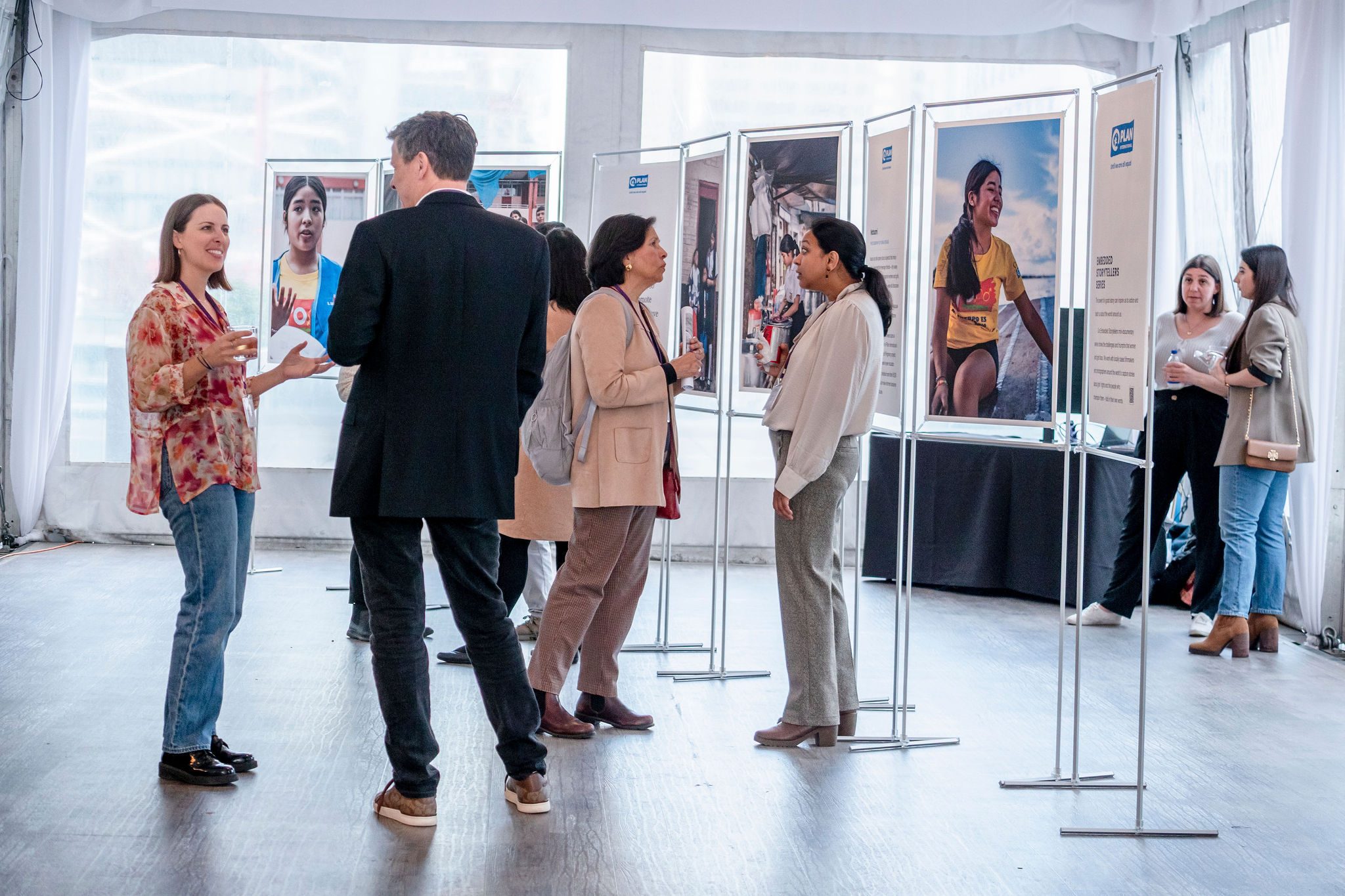
In the same spirit of adding a fresh take to a familiar format, CanWaCH complemented the Summit with a Toronto Member Dialogue that featured our first ever arts showcase. Powerful photo stories from Plan International Canada, a collection of 34 SDG-themed mixed-media works curated by World University Service of Canada, and digital stories from a CanWaCH-supported Collaborative team spanning Uganda and Canada illustrated the many ways art and evidence can intersect. The showcase offered a creative, human-centered lens to complement the technical discussions of the Summit, reminding participants that data is not only about numbers, but about people and the lives behind them.


The sudden termination of the Demographic and Health Surveys (DHS) program marked a pivotal shift in the global health landscape, disrupting a cornerstone of data collection relied on by governments, researchers and implementers worldwide. Recognizing the impact this would have on the global health and development sector, CanWaCH quickly mobilized to provide members with clarity and support.
We convened a highly popular two-part webinar series, Disappearing Data: Implications and Actions for Global Health in a New Era, featuring key voices and experts to unpack the implications of this loss and explore pathways forward. Building on those conversations, we developed Data Interrupted: Navigating the Changing Global Health Data Landscape, a written collection of resources designed to help members and partners adapt in the face of uncertainty.
This rapid response reflected CanWaCH’s commitment to anticipating member needs and ensuring that Canadian organizations have the tools and insights to navigate a shifting global data ecosystem.
On the heels of International Women’s Day this year, CanWaCH launched a one-of-a-kind visual dashboard providing unprecedented transparency into Canada’s global investments in women’s and children’s health. The tool brings together funding from key initiatives (including both iterations of the Muskoka Initiative, Her Voice, Her Choice, and the current 10-Year Commitment to Global Health and Rights) into a single, centralized resource for members and sector partners.
The dashboard was developed to address a visibility gap we observed across the sector. Without a single place to review disbursements, it could be difficult to track the status of these critical Canadian commitments. The tool allows users to explore year-on-year comparisons, total investments, and allocations across programs and regions, offering a clear view of where and how Canadian contributions have been directed.
CanWaCH will continue updating the dashboard as new data becomes available, ensuring it remains a reliable, accessible resource for anyone seeking clarity on Canada’s global health investments.
Even for non-partisan organizations like CanWaCH, elected officials can play an important role in supporting the work of our sector. So when Prime Minister Justin Trudeau announced his resignation in January, we jumped into action to prepare an e-blast and subsequent blog post to let members know what to expect around a change in federal leadership. The response was overwhelmingly positive, signalling that the upcoming federal election would be a key moment for us to support members more robustly than ever before.
We did this in a few ways. First, we released an expanded and updated version of our election toolkit for members and partners. The guide included do’s and dont’s during the election period, social media messaging, suggested hashtags and shareable graphics. Alongside the toolkit, we released a candidate engagement guide to help members raise key sector issues with confidence.
We also partnered with Abacus Data to share exclusive insights from their election period public opinion data with a selection group of policy-forward members and partners. These weekly updates, shared throughout the election period, included the latest public opinion data related to election issues, as well as a video breakdown by Abacus CEO David Coletto. Invitations to two exclusive live webinars were also shared.
In addition to these insights, we worked with our government relations partners at Compass Rose to deliver weekly digests of the latest from the campaign trail. These resources looked at the individual candidates (party leaders as well as individual MPs with potential relevance for the sector), platform developments and the latest polling data from Nanos Research. The average open rate for these weekly digests sat at an impressive 66.5 per cent (compared with the industry standard of around 20 per cent). This uptake reinforced our decision to prioritize election-period intel for members and partners.
Immediately following the election, we hosted a webinar with Compass Rose titled “Canada’s Global Role After the Election: What’s Next?”, inviting members to ask questions in real time and get a sense of what to expect in the international health and development space. We also released a post-election FAQ summarizing the results, next steps and timelines to follow the newly elected Liberal government.
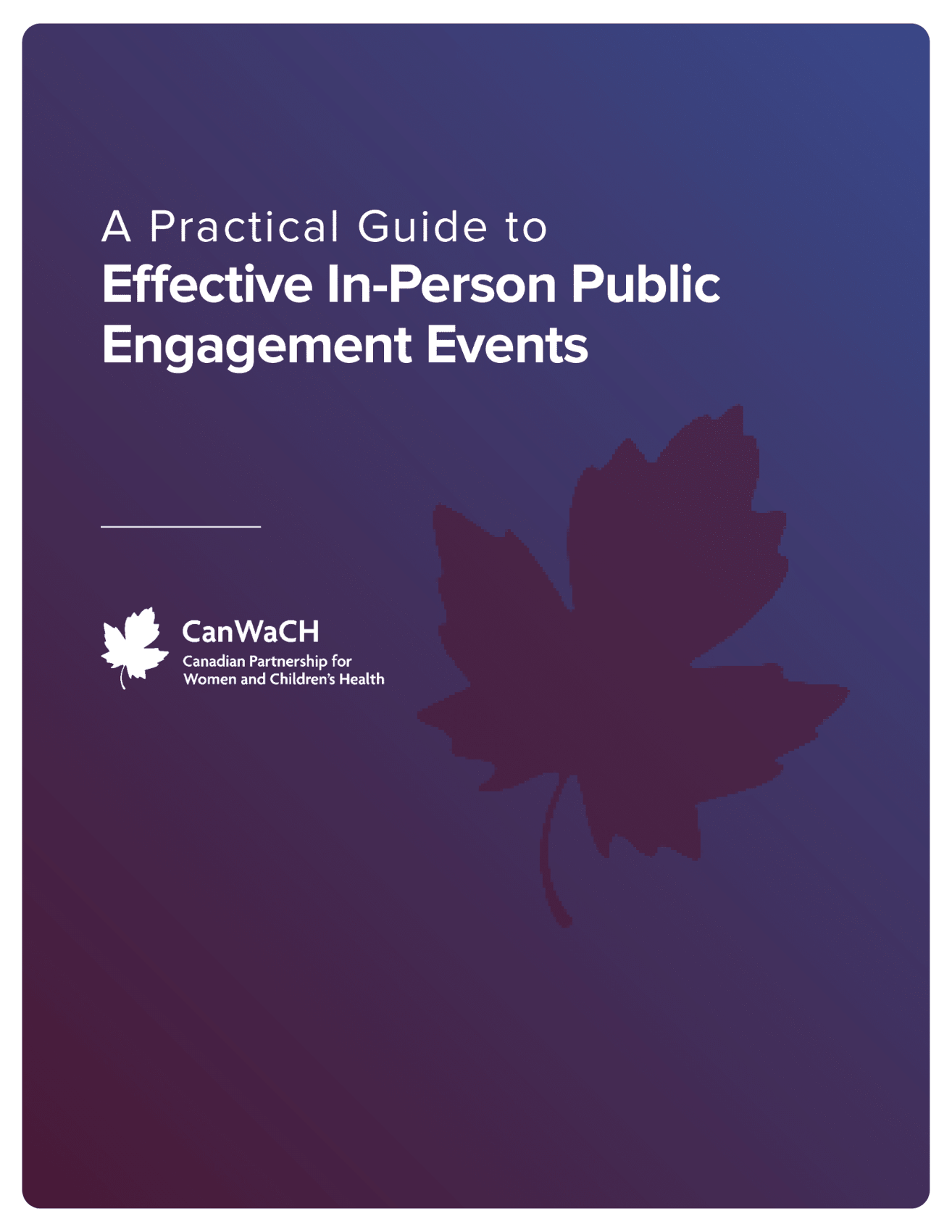
This year, CanWaCH broke new ground with the release of our first-ever public engagement (PE) guidance note: A Practical Guide to In-Person Public Engagement Events. While our past guidance notes have largely centered on technical aspects of programming and evaluation, this resource represents a deliberate shift. It was created to respond to a pressing challenge for members — the realities of hosting in-person PE events in a post-pandemic era.
As public engagement increasingly shifted to virtual spaces, we set out to capture practical strategies anchored in real experience. Throughout 2024, CanWaCH supported a wide range of member-led in-person events, giving us valuable insight into what continues to work, what has lost traction and what new approaches are emerging. We also built on our extensive learnings from WickFest, where we have tested and adapted PE approaches in a large-scale, high-energy environment.
The result is a resource grounded in practicality. Alongside curated insights and best practices, the guide features a downloadable, fillable checklist, offering members a ready-to-use tool they can adapt to plan and deliver effective in-person PE events long into the future.
This year, CanWaCH collaborated with Global Affairs Canada’s FailSmart Lab initiative, running simulations to test how real-world projects might have fared if their parameters and reporting requirements had been different. With generous contributions from CanWaCH members who provided complete project documentation, we were able to harness the collective expertise of our Metrics Working Group to explore alternate pathways to measuring and maximizing impact. In September, we shared the results and recommendations of these initial simulations, and will continue collaborating with the FailSmart Lab to explore innovations in monitoring, evaluation, accountability and learning.
Through the Canadian Collaborative for Global Health, CanWaCH continued to incubate innovative approaches to addressing urgent data challenges in global health and gender equality. The second round of labs has brought together Canadian and global partners to co-create solutions informed by feminist, participatory principles:
In the coming year, CanWaCH looks forward to sharing the findings of all the labs, helping to strengthen data capacity, build effective partnerships and inspire new approaches across the sector.
In November 2024, CanWaCH launched a digital campaign to celebrate Canada’s $151 million investment in global polio eradication efforts and to highlight the country’s long-standing leadership in this area. The campaign was designed to reach Canadians with accessible, compelling stories about the impact of Canada’s global health investments. It underscored key messages: Canada’s role in reducing global polio cases, the importance of global vaccinations for health security at home, the leadership of women frontline workers and the urgency of finishing the battle with wild polio still present in two countries.
The campaign reached audiences across multiple platforms. LinkedIn showcased Canada’s global leadership to policy and sector audiences, generating the highest levels of positive engagement of the campaign. Ads on Meta reached a wide range of Canadians, while a YouTube video highlighted the urgency of the effort, with nearly two-thirds of viewers watching through to the end. Through this initiative, CanWaCH helped bring renewed attention to Canada’s investment and to the collective global push to end polio for good.


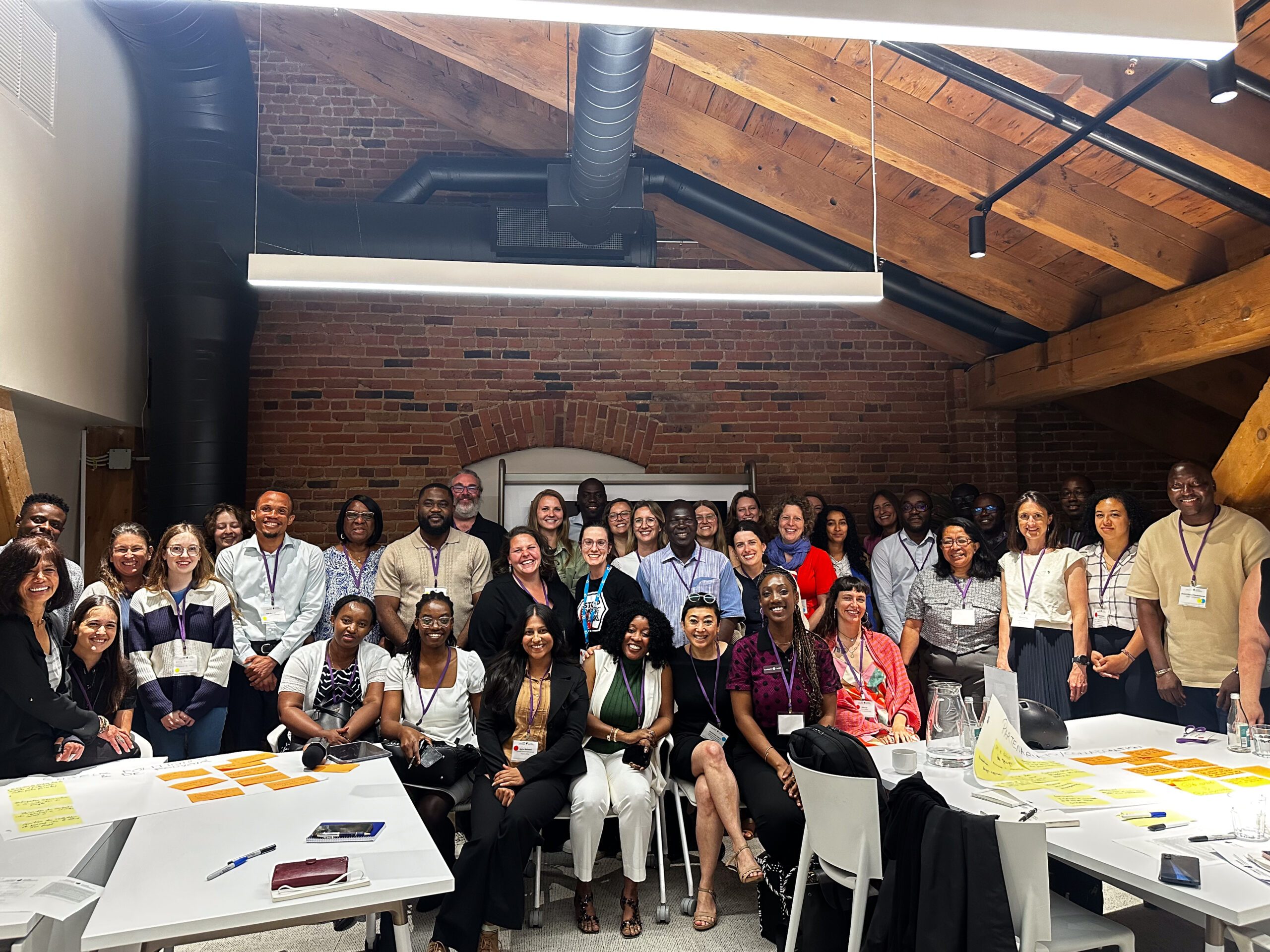
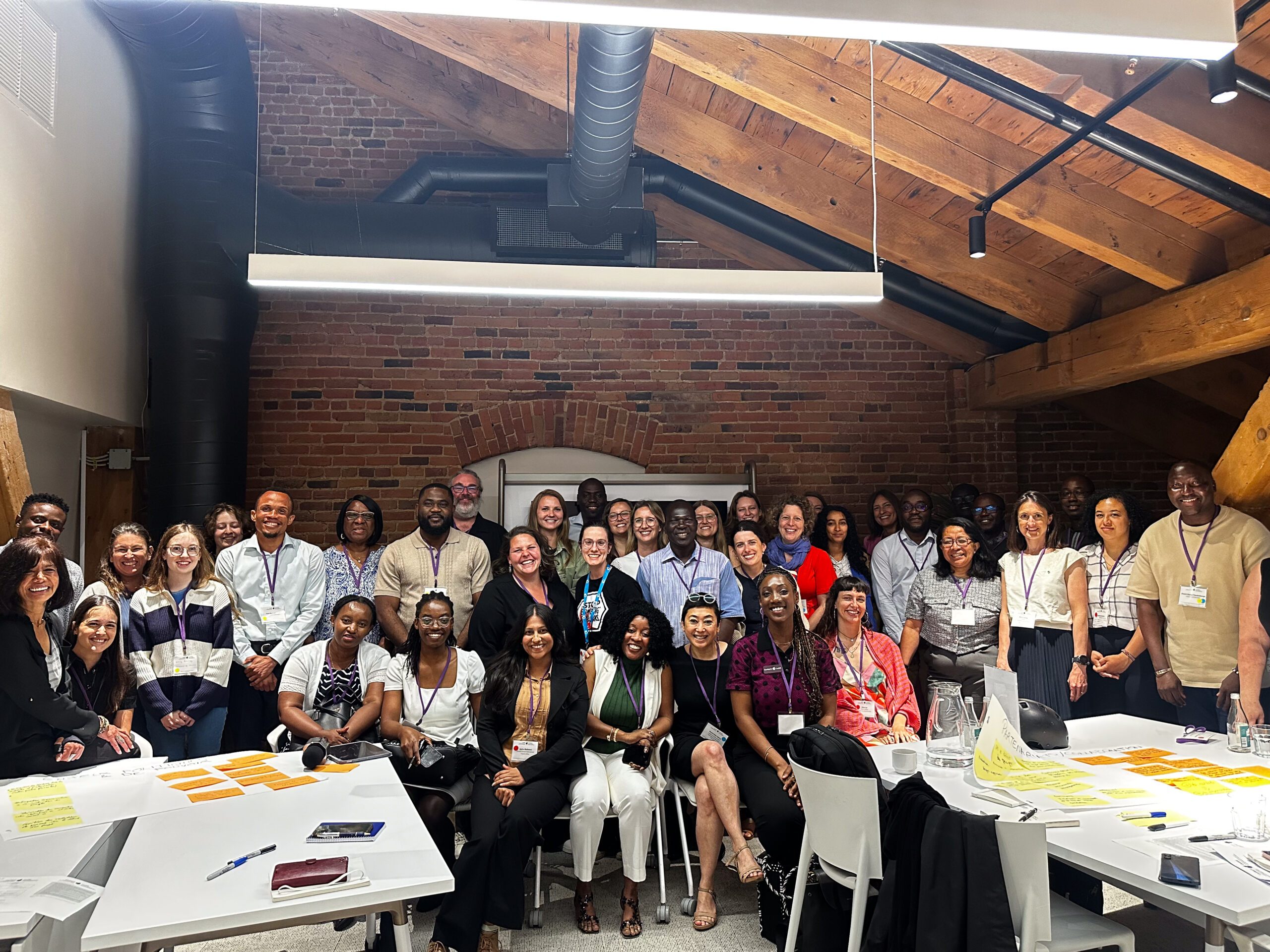
This July, CanWaCH held its first fully francophone workshop: Co-créer l’avenir de la santé sexuelle et reproductive et de la santé maternelle, néonatale et infantile : Dialogues entre recherche et acteurs de terrain (Co-creating the Future of Sexual and Reproductive Health and Maternal, Newborn and Child Health: Dialogues Between Research and Field Actors). The event brought together researchers and field actors in Montréal for a day of exchange in French. We’ve heard from Francophone stakeholders for some time that opportunities to engage in their first language are rare in the global health and international development space — even here in Canada. This workshop responded directly to that gap.
Hosted in French, this workshop was designed to be fully participatory. We heard about the needs of organizations working on the ground, researchers shared insights and participants co-created concrete ideas for future action. The response was overwhelmingly positive. Many expressed gratitude for being able to contribute in French, for the first time, in a high-level space like this one. Internally, the success of this workshop encouraged us to create more French-first spaces, leading to our pilot of some unilingual French sessions at the 2025 CanWaCH Academy.
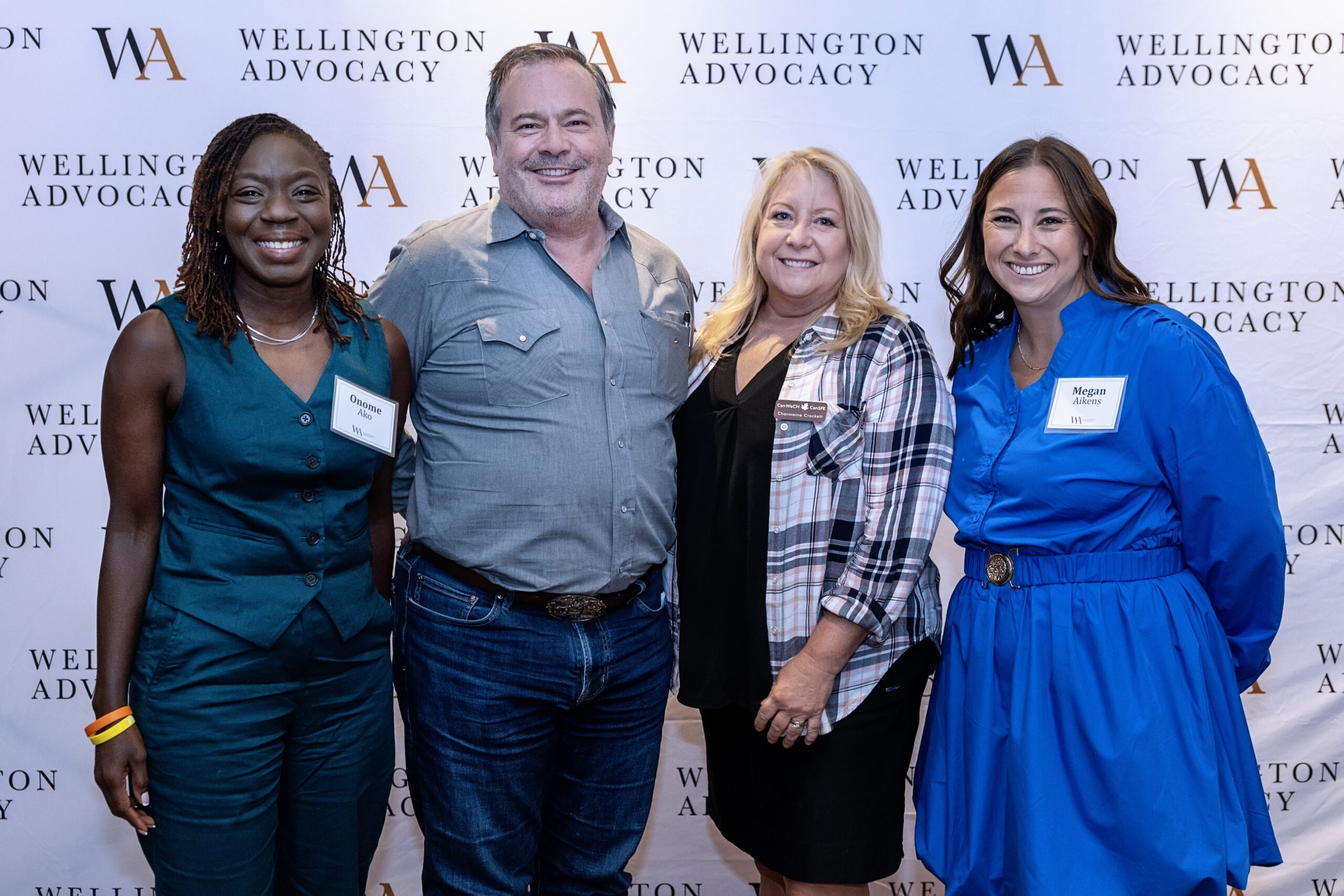
Over the summer, CanWaCH branched out once again to host a special event at the Calgary Stampede — a setting not often associated with conversations about global health and international development. The event featured a keynote address by CanWaCH Board Chair Onome Ako, who spoke to Canada’s proud legacy of leadership in women’s and children’s health, with a particular emphasis on nutrition.
Her moving remarks were followed by a fireside chat with former Alberta Premier Jason Kenney. Reflecting on Canada’s historic role on the global stage, Mr. Kenney highlighted the importance of sustained leadership in global health, the interconnectedness of today’s challenges, and the values that underpin Canada’s engagement worldwide.
The messages resonated strongly with attendees, offering CanWaCH an important opportunity to meet Canadians in new spaces and broaden the conversation on global health beyond the sector’s usual circles. In many ways, this moment captured the spirit of the year itself: firmly grounded in Canada’s legacy on women and children’s health, while sowing the seeds of lasting change.

We are grateful to these former team members who contributed to our work over the past year: